Is your mother still your mother
after you fall asleep?
after you fall asleep?


There is what we see, and then there is what we can’t see in Thyra Dragseth’s new exhibition.
Take this black and white photo of a perplexed boy with a giant teddy bear. He stands up in what
looks like a garden, just in front of a path, leading us into the next picture – and then, cut! – a
glowing border, shadows, and a dim, narrow view of familiar branches and leaves; a dark sky. Or
what about this man, lying on his side, attached to his ear (and not his mouth) a metal sex toy.
Wouldn’t it be straightforward to think of this an erotic, feministic punchline (submit to my words!)?
Had it not been for the dark green wilderness coming in from the right… What is this insisting
nature, eating its way into the motives here?
Dragseth has stuck her hand into a wasp’s nest: her own family history. From a small tin can, she
has exposed negatives from her grandmothers’ and her parents’ personal archive, developing
them into large prints and tiny series mounted with tape in rough aluminium frames. Rather than
showing history as a linear, or even subjective narrative, Dragseth’s photographic collages of both
inherited and self-experienced material let us look at the past as a series of fragmented clashes.
In her works, the documenting properties of photography are both enhanced and repressed. What
we see is the result of a transparent, manipulative process: negatives cut, taped, scratched,
exposed and enlarged. Moments and subjects from distant times and point of views, forced
together in a twisted narrative, balance on the edge between confession and concealment. Several
of the found images reveal scenes from a ship where Dragseth's grandfather worked as a ship's
mechanic, and where his wife (Dragseth’s grandmother) went along two times. They left their two
little boys at home for several years, to earn money and experience the world, each other, and life
at sea. As a retold story it is difficult to grasp. As developed pictures, however, it is possible to
approach some sort of understanding, if not outright identification.
Take this black and white photo of a perplexed boy with a giant teddy bear. He stands up in what
looks like a garden, just in front of a path, leading us into the next picture – and then, cut! – a
glowing border, shadows, and a dim, narrow view of familiar branches and leaves; a dark sky. Or
what about this man, lying on his side, attached to his ear (and not his mouth) a metal sex toy.
Wouldn’t it be straightforward to think of this an erotic, feministic punchline (submit to my words!)?
Had it not been for the dark green wilderness coming in from the right… What is this insisting
nature, eating its way into the motives here?
Dragseth has stuck her hand into a wasp’s nest: her own family history. From a small tin can, she
has exposed negatives from her grandmothers’ and her parents’ personal archive, developing
them into large prints and tiny series mounted with tape in rough aluminium frames. Rather than
showing history as a linear, or even subjective narrative, Dragseth’s photographic collages of both
inherited and self-experienced material let us look at the past as a series of fragmented clashes.
In her works, the documenting properties of photography are both enhanced and repressed. What
we see is the result of a transparent, manipulative process: negatives cut, taped, scratched,
exposed and enlarged. Moments and subjects from distant times and point of views, forced
together in a twisted narrative, balance on the edge between confession and concealment. Several
of the found images reveal scenes from a ship where Dragseth's grandfather worked as a ship's
mechanic, and where his wife (Dragseth’s grandmother) went along two times. They left their two
little boys at home for several years, to earn money and experience the world, each other, and life
at sea. As a retold story it is difficult to grasp. As developed pictures, however, it is possible to
approach some sort of understanding, if not outright identification.
The changing perspective across the works leave us in a somewhat ambivalent position. The
images from the galley transmit waves of sex, love, freedom and a kind of happiness that only
escapism can produce. We know it, we long for it, and we live with the rupture it creates in our
lives. We go to the limit – but most times, no further than that. Because the pursuit of euphoria is
too costly, says the child, who only knows her own euphoria, her life by virtue of her parents. On
the contrary, the parent looks forward to the child falling asleep again. And let us dwell for a bit on
the child… In Dragseths compositions there are children all over: unknown children, children who
are parents, parents as children. The artist herself stares hazily at us from a parallel world, her
hands full of mud. Here we are talking about another kind of limit; the crossing of times, the
boundary between the historic accuracy of photography and representation as such.
In his text A preface to Transgression, philosopher Michel Foucault describes the complex, yet
dynamic relationship between transgression and limit “a limit could not exist if it were absolutely
uncrossable and, reciprocally, transgression would be pointless if it merely crossed a limit
composed of illusions and shadows. But can the limit have a life of its own outside of the act that
gloriously passes through it and negates it? What becomes of it after this act and what might it
have been before?”
In Dragseths exhibition we find ourselves in this room of possibilities and impossibilities, with an
intimate distance that lets us identify with both child and adult at the same time. To moralise is not
in her interest. Rather, her work allows us – and herself – to face our own humanity; our drives and
ambitions, our life force, our vulnerability. Dragseth walks with us to the limit, to the edge that
simultaneously connects and separates the sublime and the catastrophic, to show us the
aesthetics of transgression.
- Sofie Amalie Andersen
March 2026
images from the galley transmit waves of sex, love, freedom and a kind of happiness that only
escapism can produce. We know it, we long for it, and we live with the rupture it creates in our
lives. We go to the limit – but most times, no further than that. Because the pursuit of euphoria is
too costly, says the child, who only knows her own euphoria, her life by virtue of her parents. On
the contrary, the parent looks forward to the child falling asleep again. And let us dwell for a bit on
the child… In Dragseths compositions there are children all over: unknown children, children who
are parents, parents as children. The artist herself stares hazily at us from a parallel world, her
hands full of mud. Here we are talking about another kind of limit; the crossing of times, the
boundary between the historic accuracy of photography and representation as such.
In his text A preface to Transgression, philosopher Michel Foucault describes the complex, yet
dynamic relationship between transgression and limit “a limit could not exist if it were absolutely
uncrossable and, reciprocally, transgression would be pointless if it merely crossed a limit
composed of illusions and shadows. But can the limit have a life of its own outside of the act that
gloriously passes through it and negates it? What becomes of it after this act and what might it
have been before?”
In Dragseths exhibition we find ourselves in this room of possibilities and impossibilities, with an
intimate distance that lets us identify with both child and adult at the same time. To moralise is not
in her interest. Rather, her work allows us – and herself – to face our own humanity; our drives and
ambitions, our life force, our vulnerability. Dragseth walks with us to the limit, to the edge that
simultaneously connects and separates the sublime and the catastrophic, to show us the
aesthetics of transgression.
- Sofie Amalie Andersen
March 2026
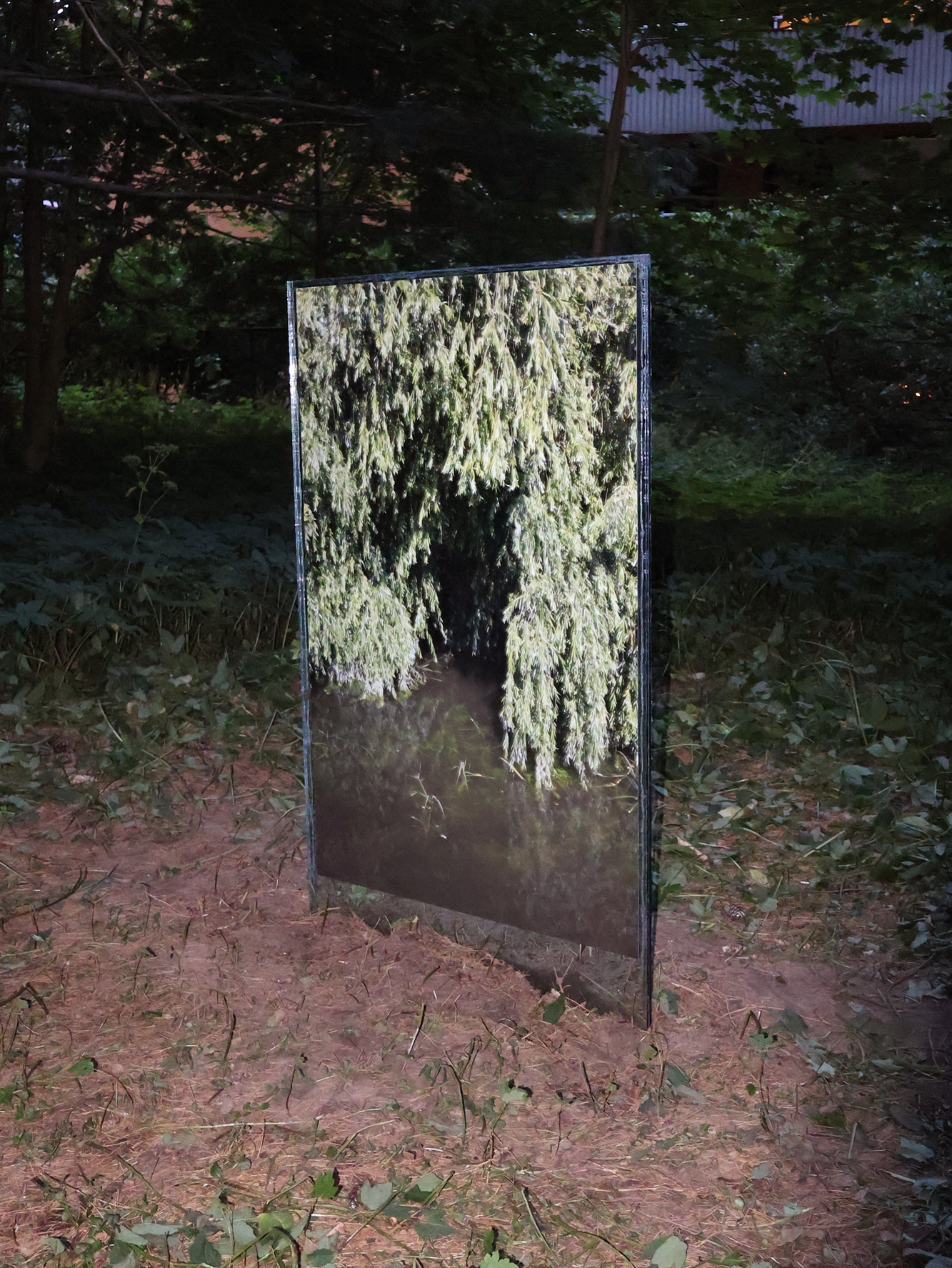
Installation view En Trance, 160 x 84 cm, (2024) from the exhibition and all the light that grind-cores curated by Hedda Grevle Ottesen, at GRAC Norway, Kristiansand.
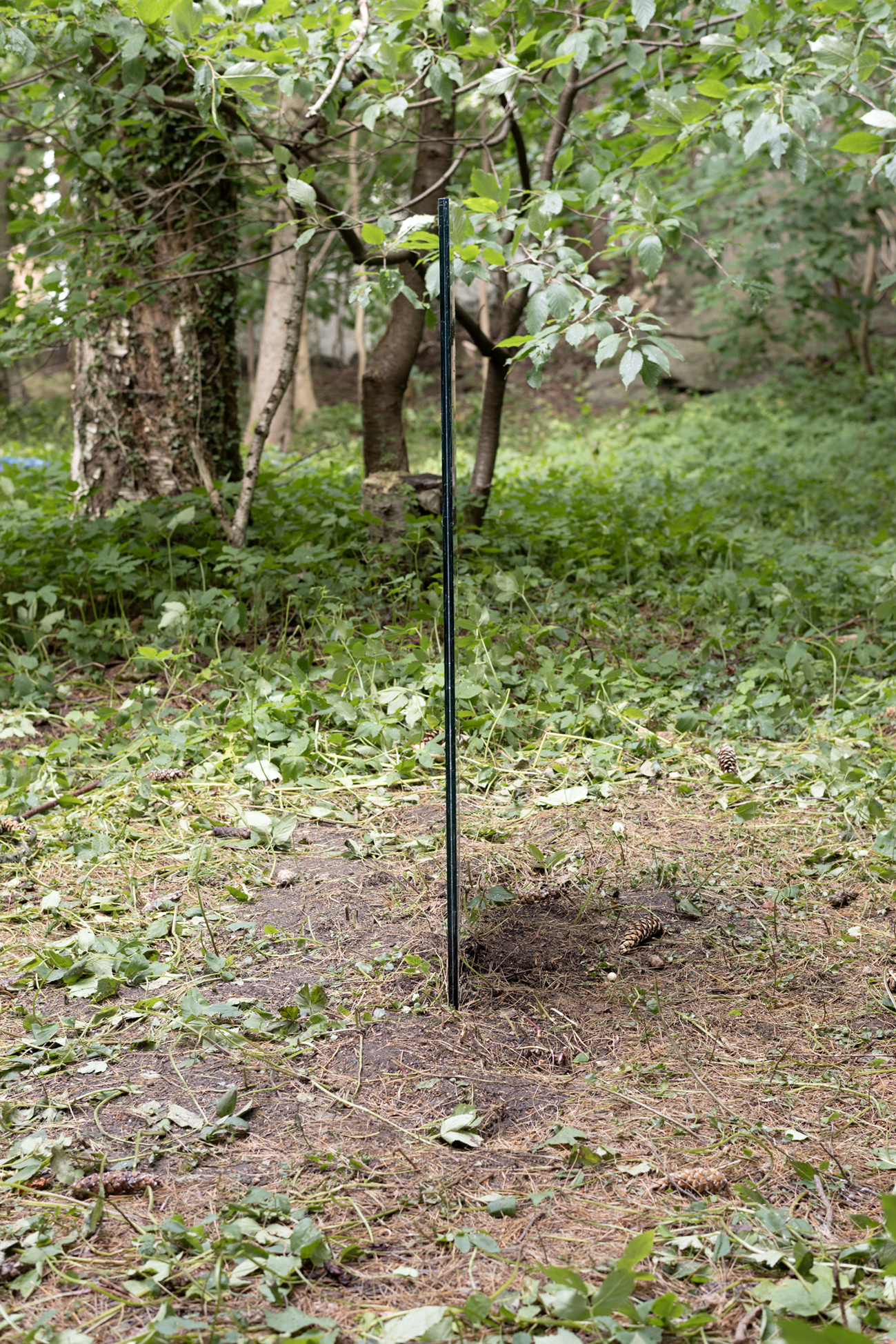
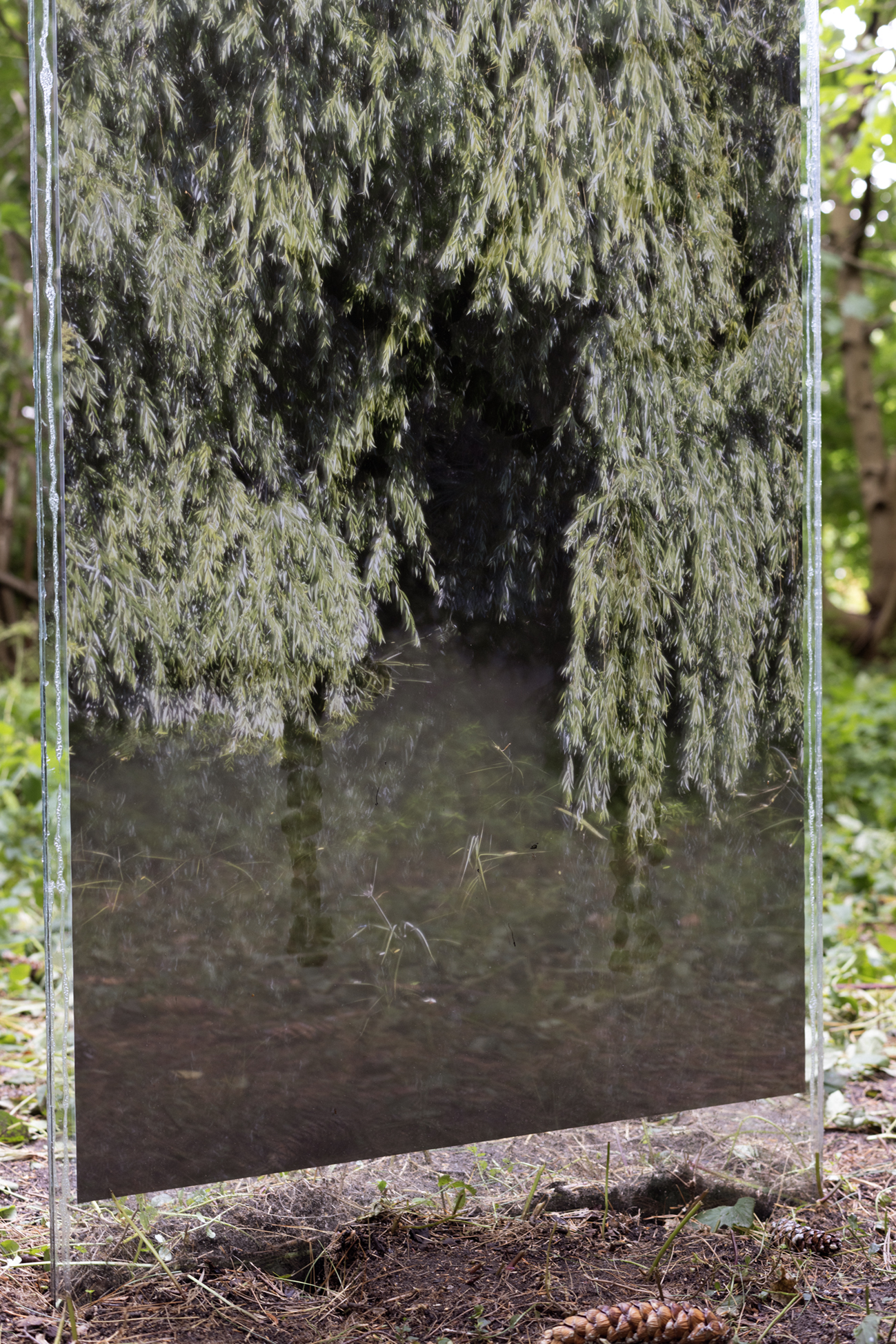
Detail En Trance, 160 x 84 cm, (2024) from the exhibition and all the light that grind-cores curated by Hedda Grevle Ottesen, at GRAC Norway, Kristiansand.
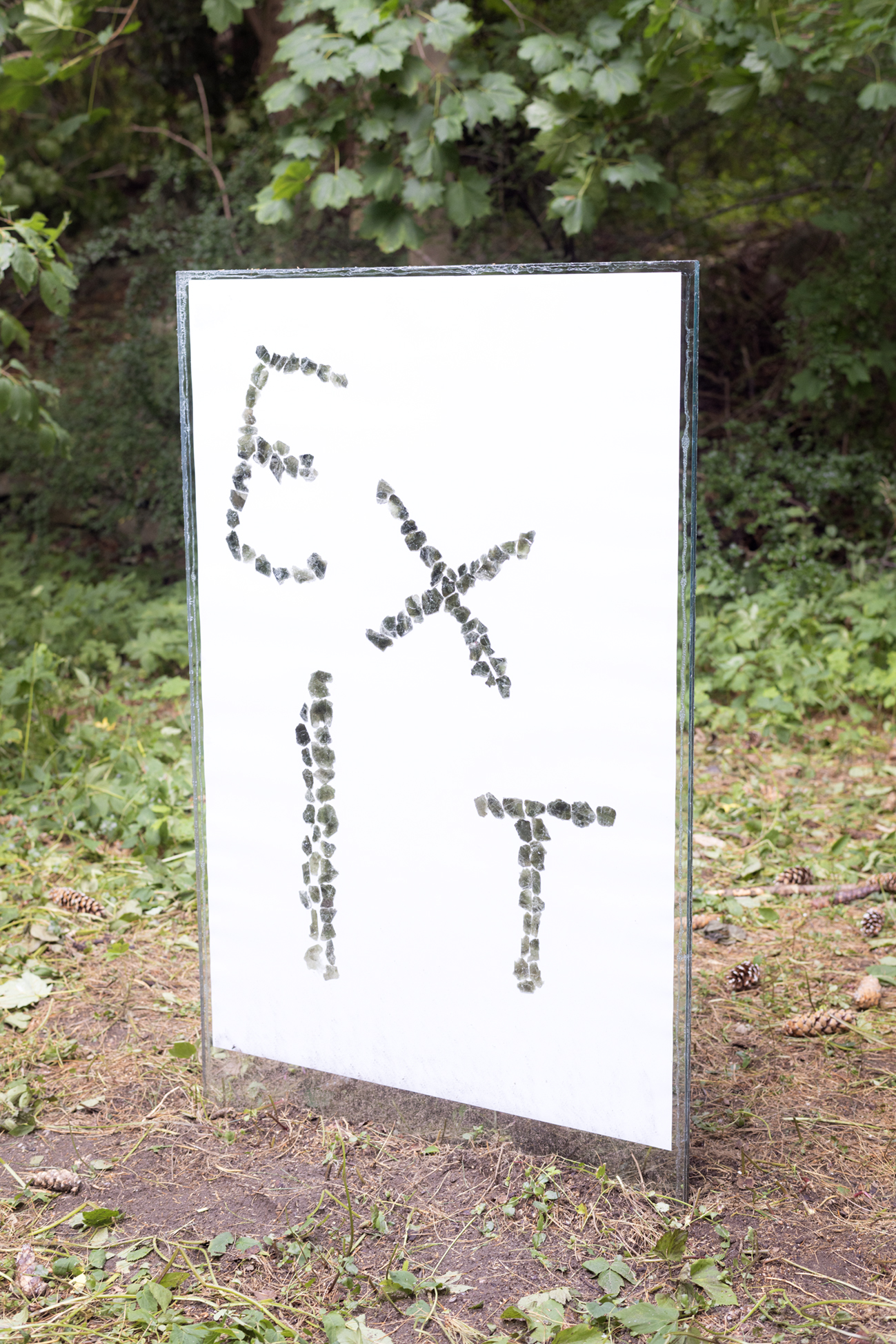
Installation view En Trance, 160 x 84 cm, (2024) from the exhibition and all the light that grind-corescurated by Hedda Grevle Ottesen, at GRAC Norway, Kristiansand.
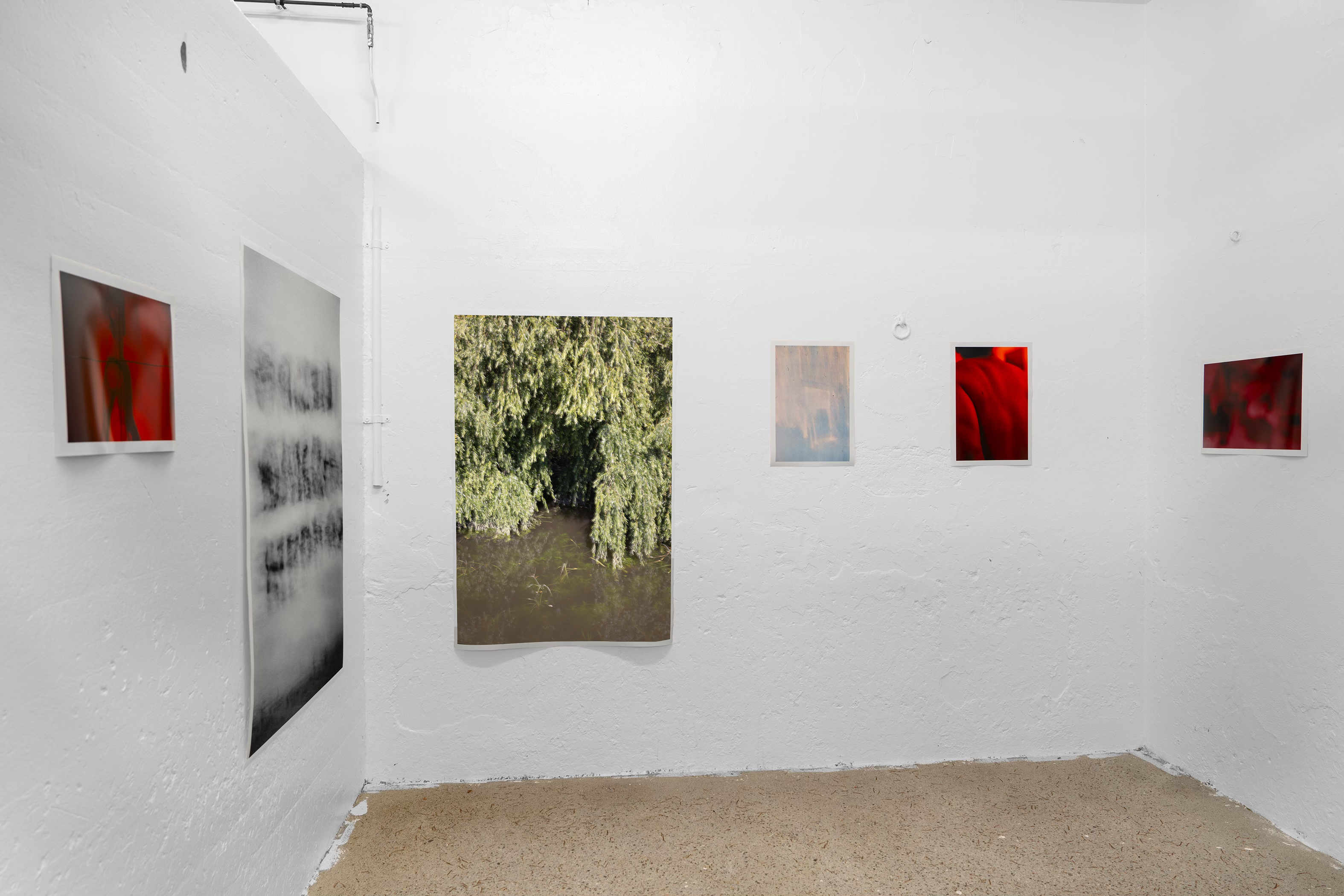
Installation view Entrances at Oslo Negative photo festival, represented by MELK Gallery, Oslo.
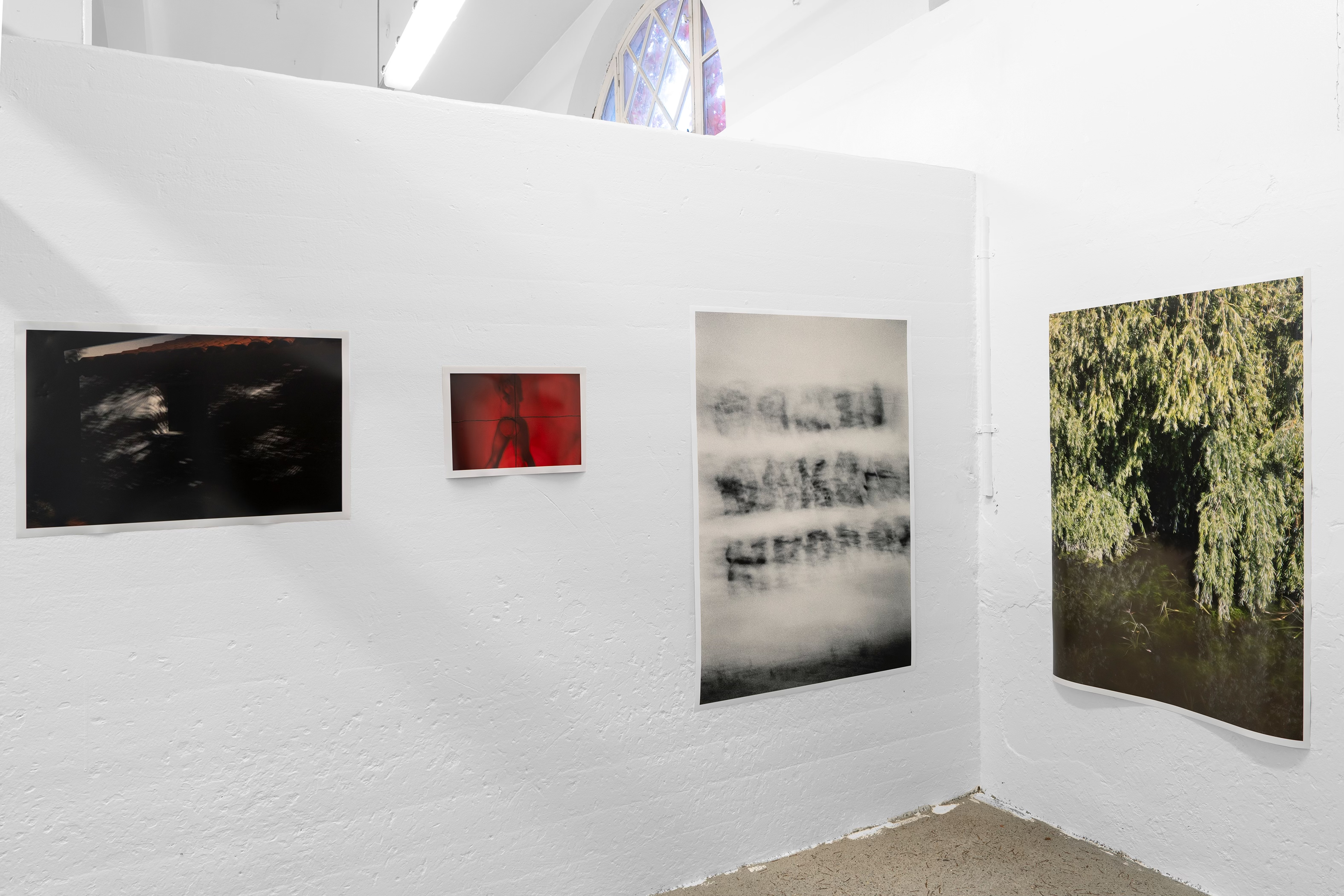
Installation view Entrances at Oslo Negative photo festival, represented by MELK Gallery, Oslo.
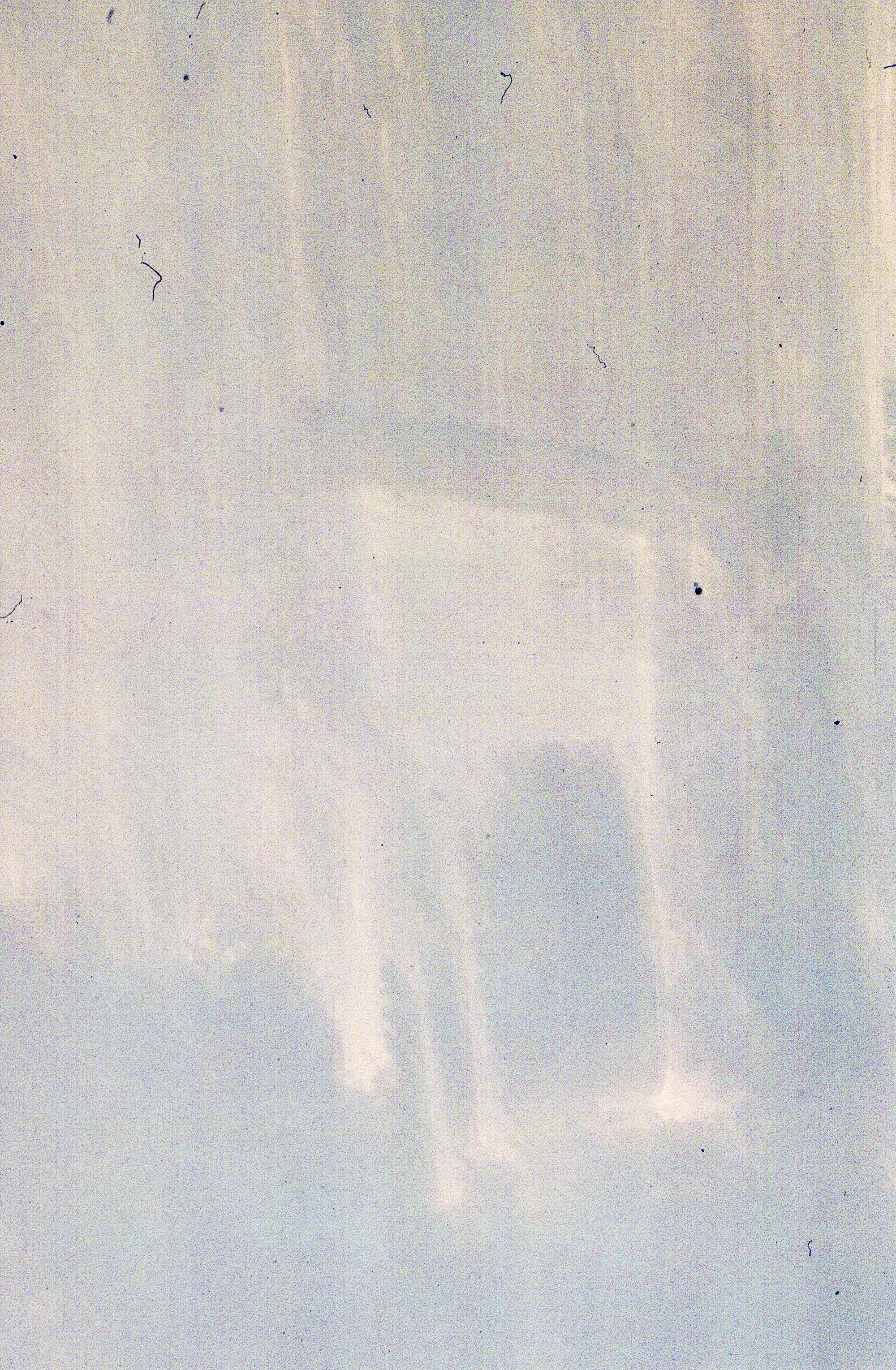
Detail: A heavy fall of snow that is blown by strong winds, (2024) 28 x 44 cm.

Detail: Contact Improv, 44 x 30 cm (2024).
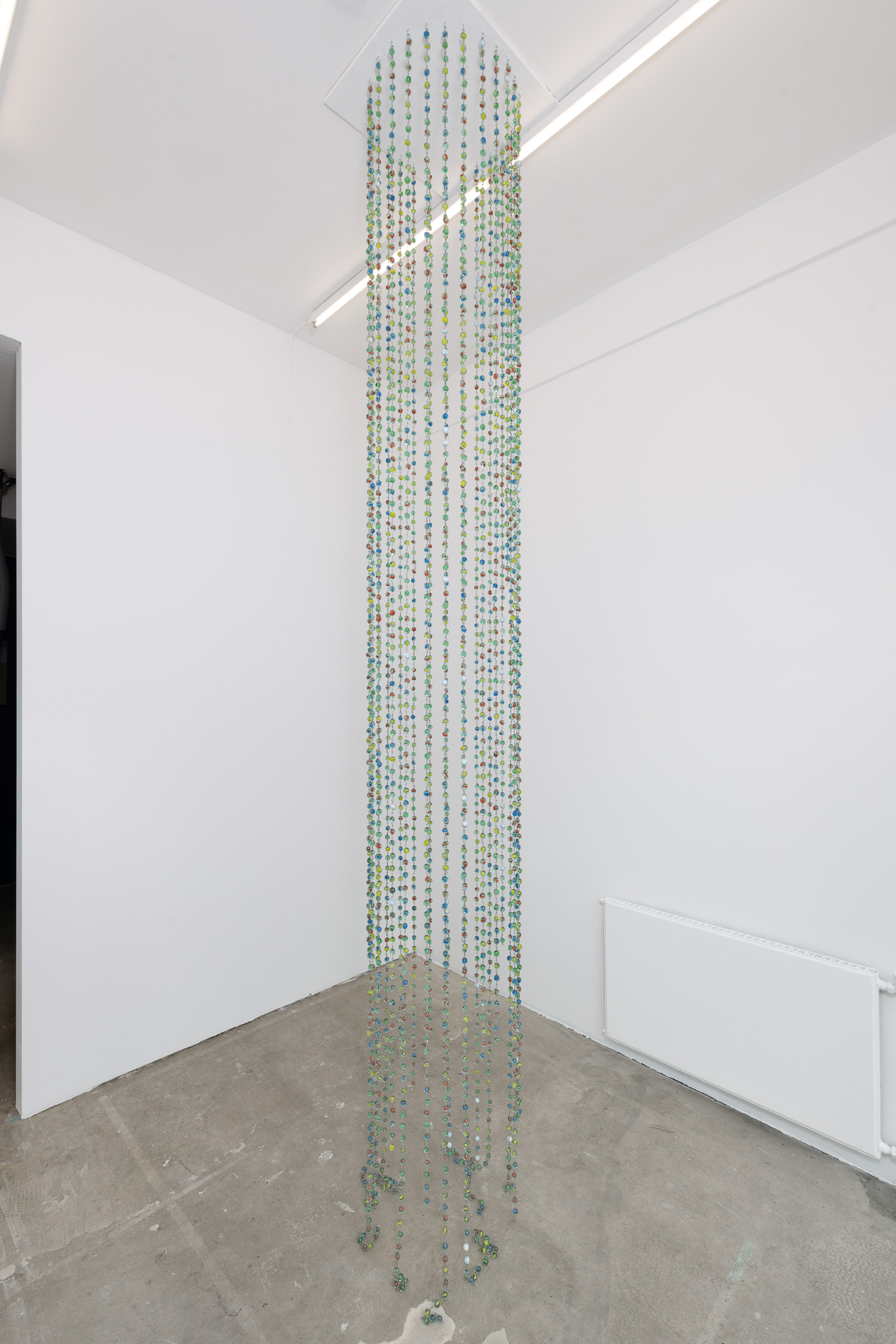
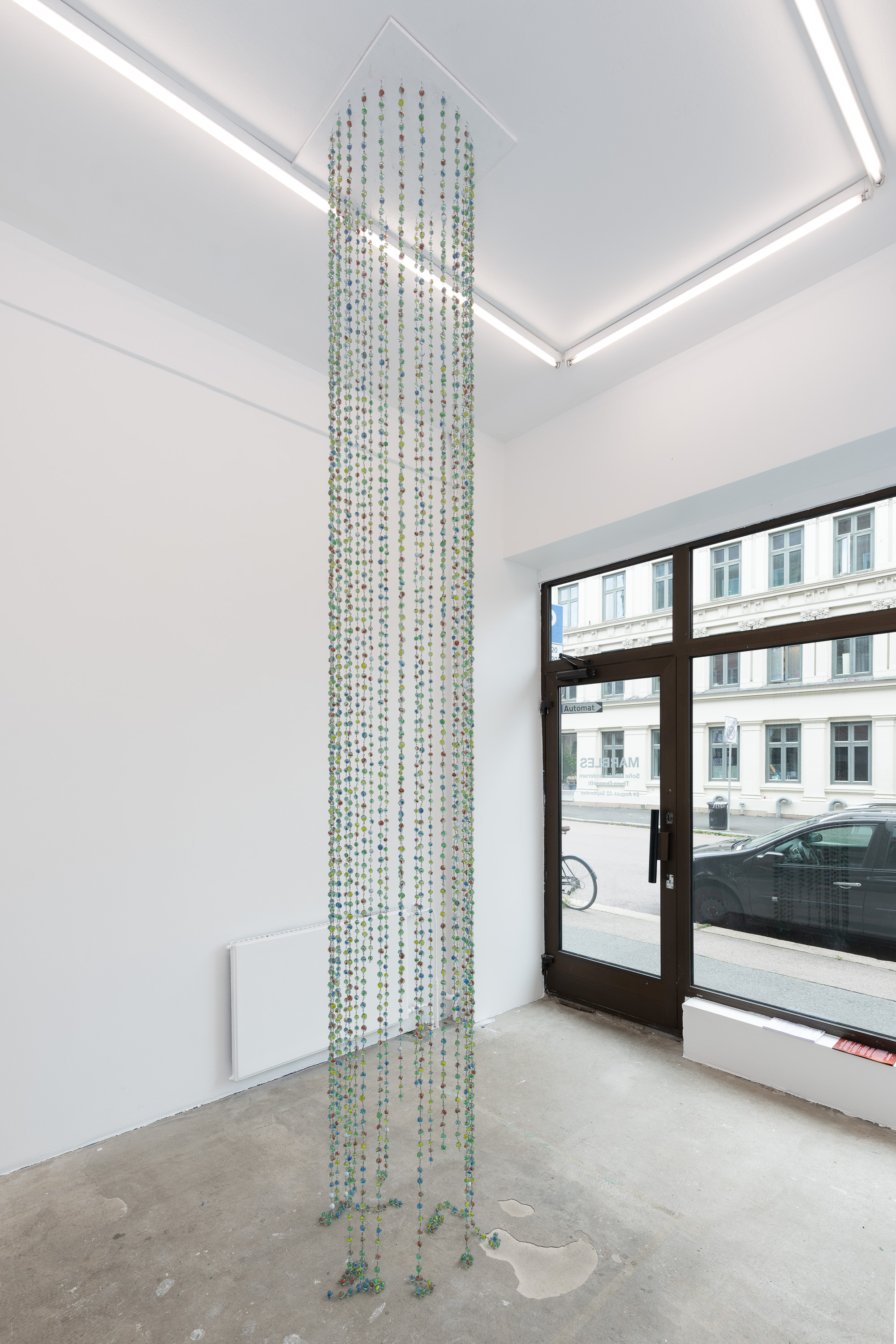
Installation view Fall, Glass marbles and steel wire, 340x44cm,
from the exhibition MARBLES at Pachinko, Oslo, by Sofie Amalie Andersen & Thyra Dragseth, 2024.
from the exhibition MARBLES at Pachinko, Oslo, by Sofie Amalie Andersen & Thyra Dragseth, 2024.
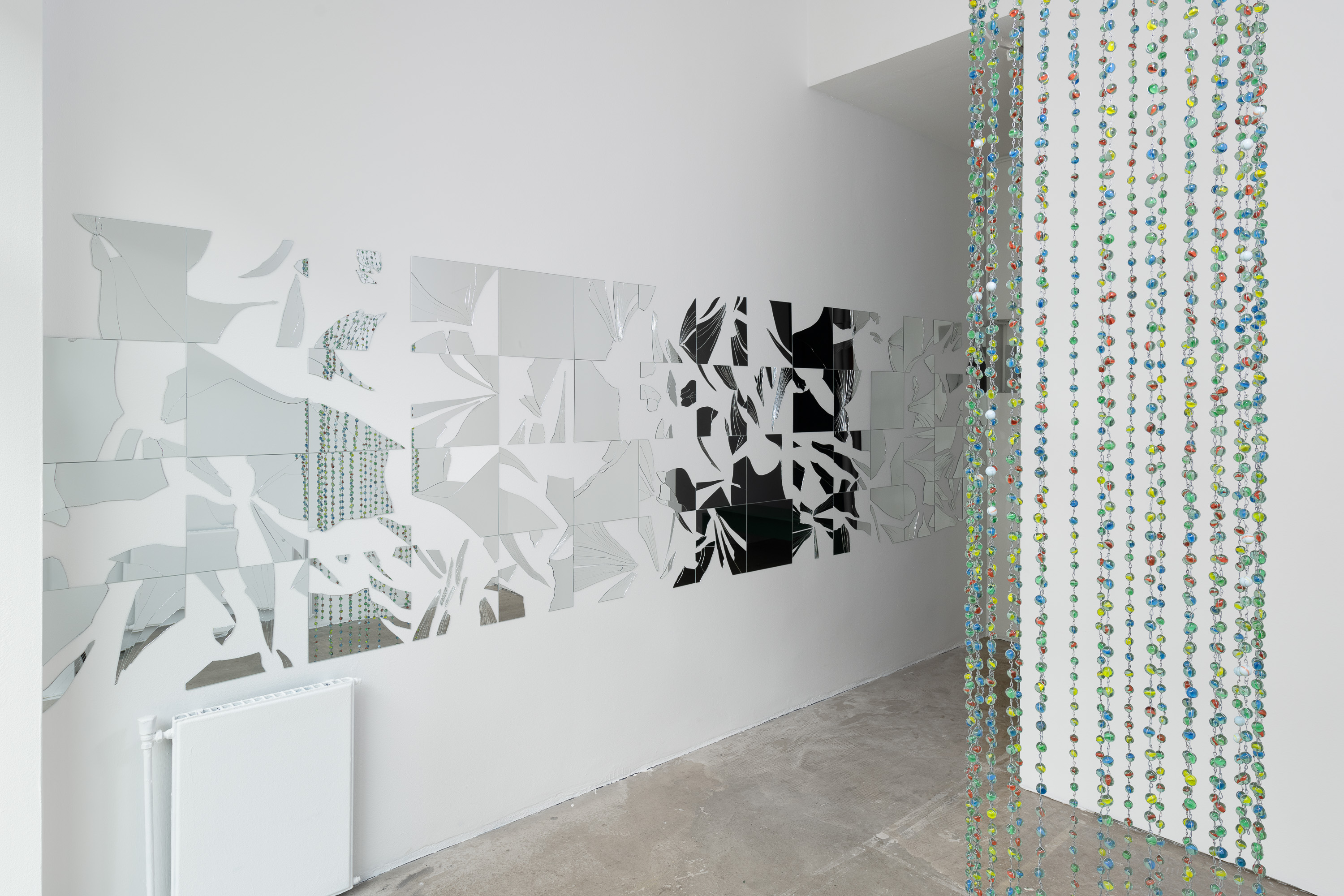
Installation view from the exhibition MARBLES at Pachinko, Oslo, by Sofie Amalie Andersen & Thyra Dragseth, 2024.
Marbles is a transgeneric love story about conflict and relationship dynamics, refraction and fragmentation. The exhibition consists of a series of sculptural interventions and a film, presented in four chapters with an asynchronous soundtrack. Set within a domestic, yet alienating space, the film gradually turns into a hall of broken mirrors as the two protagonists (assumed lovers) unwillingly play out a dialectical game of recognition and estrangement. They may want the same, feel the same, but contradiction has become the only possible movement as the identity of each is a reduction to a mirrored singularity, a totality, therefore, a stopping of movement.
The title of the show, Marbles, refers to both the combative and psychological aspects of relationship conflicts: playing with and potentially losing one’s marbles, serving heartbreaking oneliners towards that other person for all the marbles worth. In the exhibition, such marbles form a column that reveals and disguises what is at stake, while the fragmented desires and fears of the protagonists continually play each other off the board. Meanwhile, the changing perspectives – the mirror effect – removes any chances of reconciliation and leaves the scene unsettled and fractured.
Text by Kristian Schrøder, from Pachinko Gallery, Oslo.
![]()
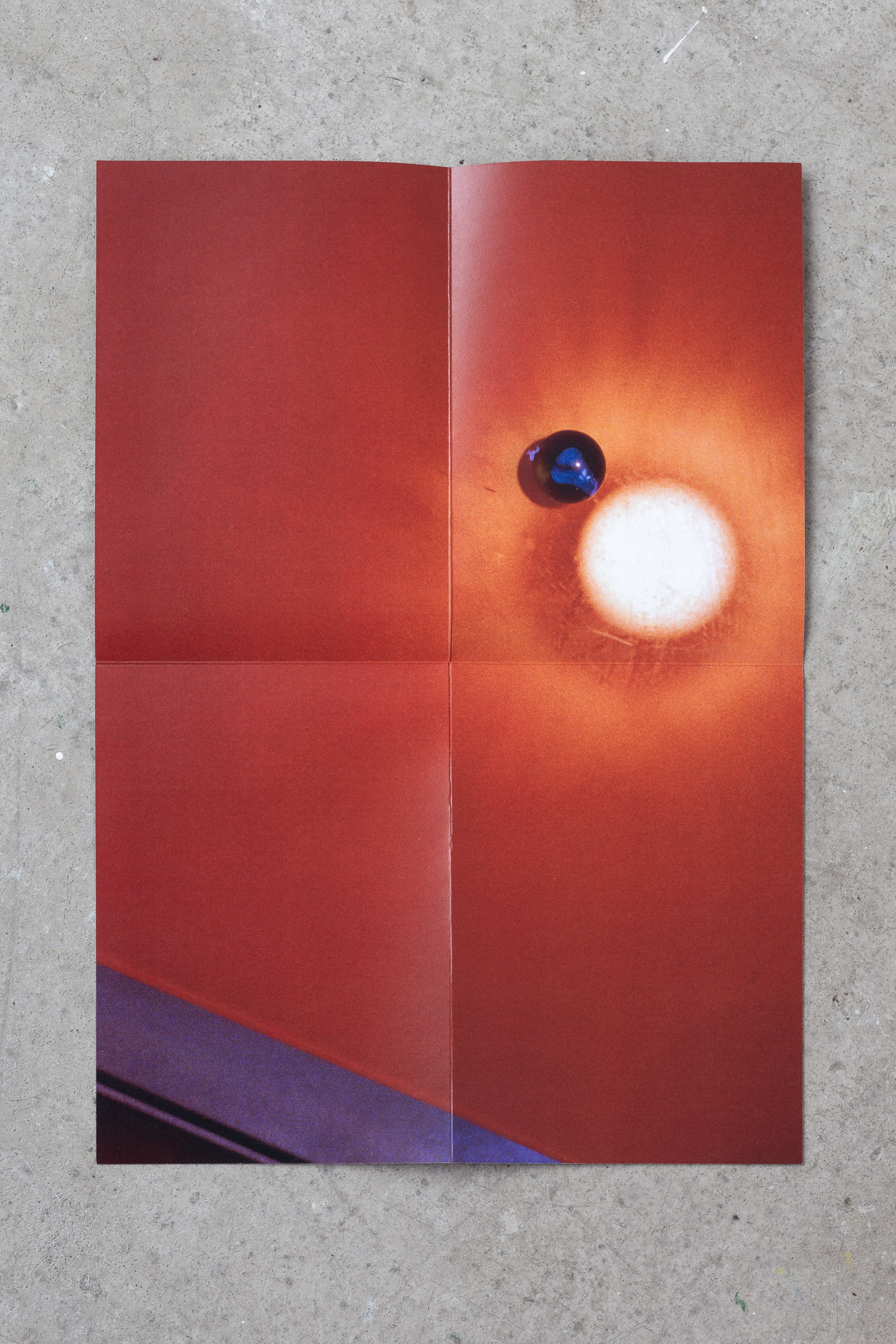
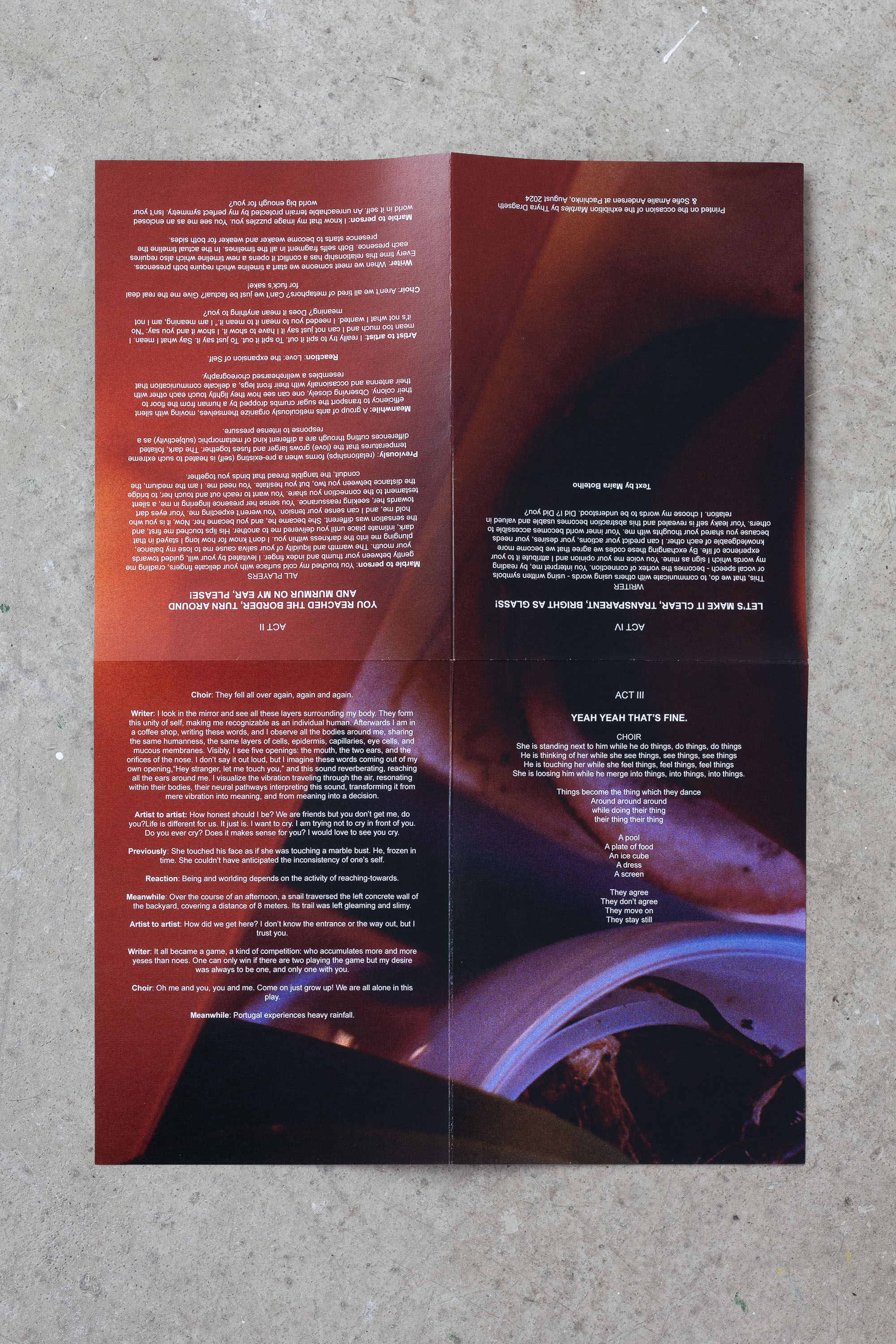
![]() Printed handout with text by Maíra Botelho.
Printed handout with text by Maíra Botelho.
The title of the show, Marbles, refers to both the combative and psychological aspects of relationship conflicts: playing with and potentially losing one’s marbles, serving heartbreaking oneliners towards that other person for all the marbles worth. In the exhibition, such marbles form a column that reveals and disguises what is at stake, while the fragmented desires and fears of the protagonists continually play each other off the board. Meanwhile, the changing perspectives – the mirror effect – removes any chances of reconciliation and leaves the scene unsettled and fractured.
Text by Kristian Schrøder, from Pachinko Gallery, Oslo.
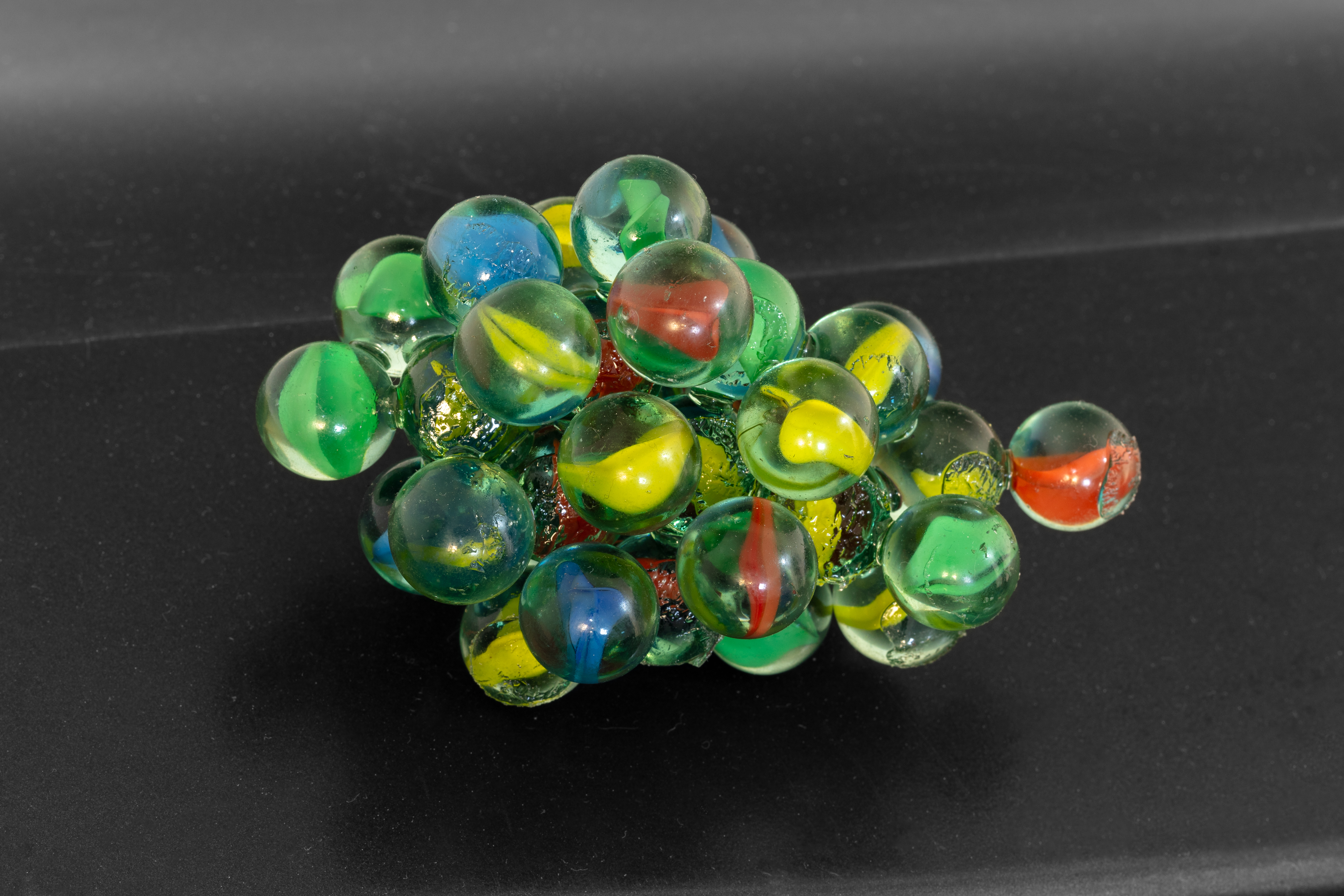
A Handful of Marbles,2024, glass marbles, UV-glue, 5x5x8 cm, from Marbles at Ostra Practice, Lisbon.
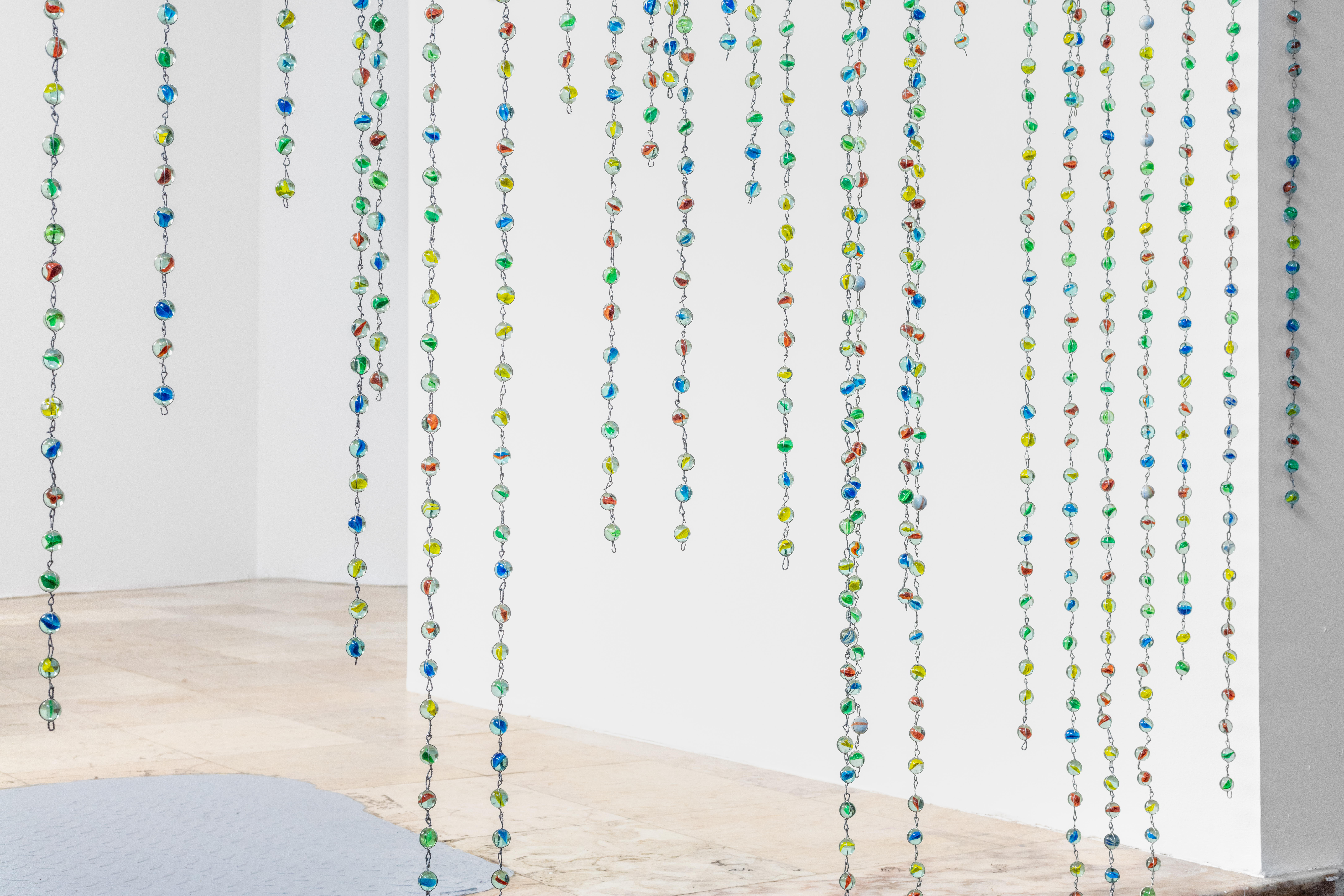
Curtain, 2024 steel, steel wire, glass marbles, 260x340 cm,from Marbles at Ostra Practice, Lisbon.
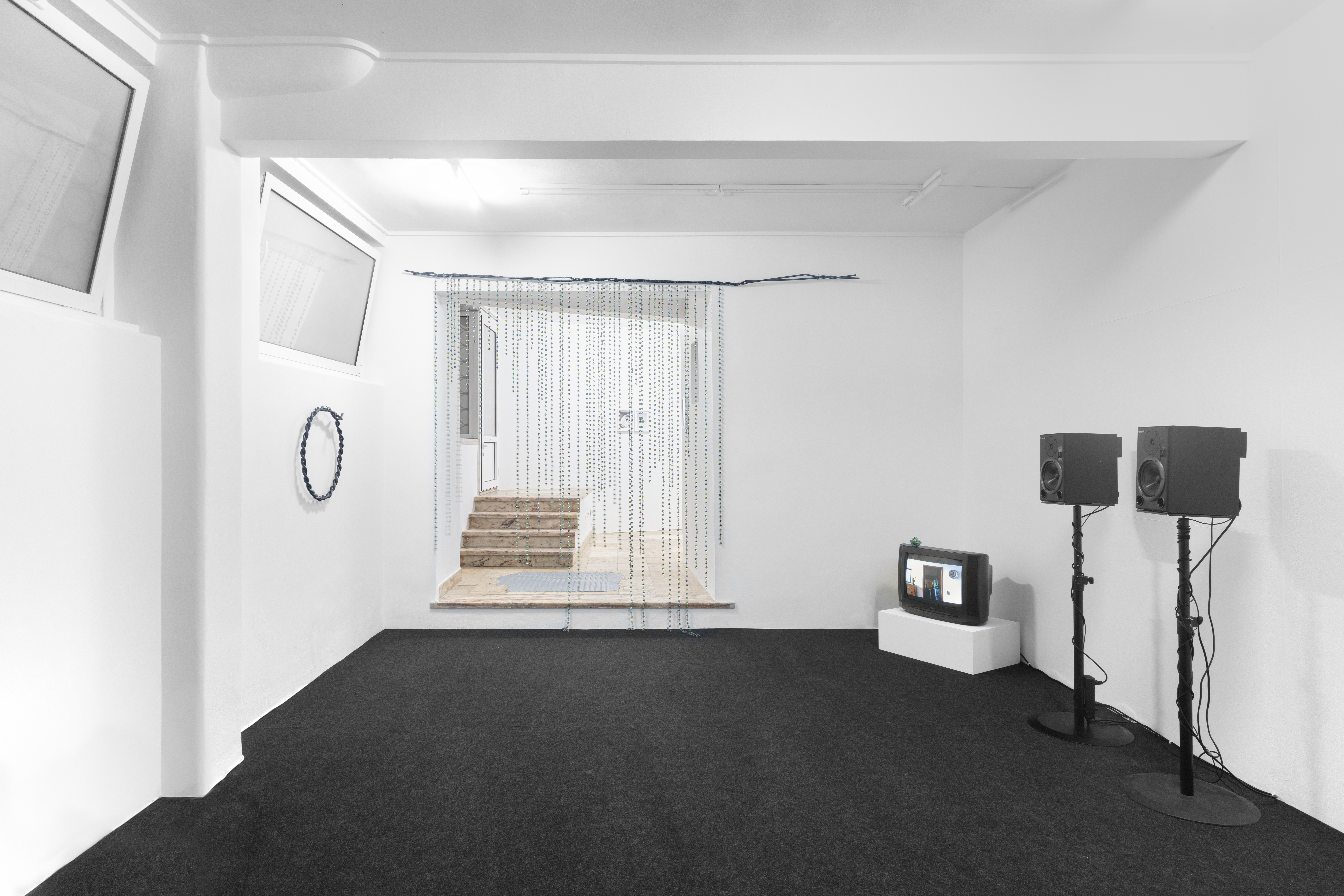
Installation view Marbles at Ostra Practice, Lisbon, by Sofie Amalie Andersen & Thyra Dragseth, 2024. From left: Untitled (ring) 50x50x3 cm, Curtain 260x340 cm, Marbles II (Kitchen), and Marbles (Loop).
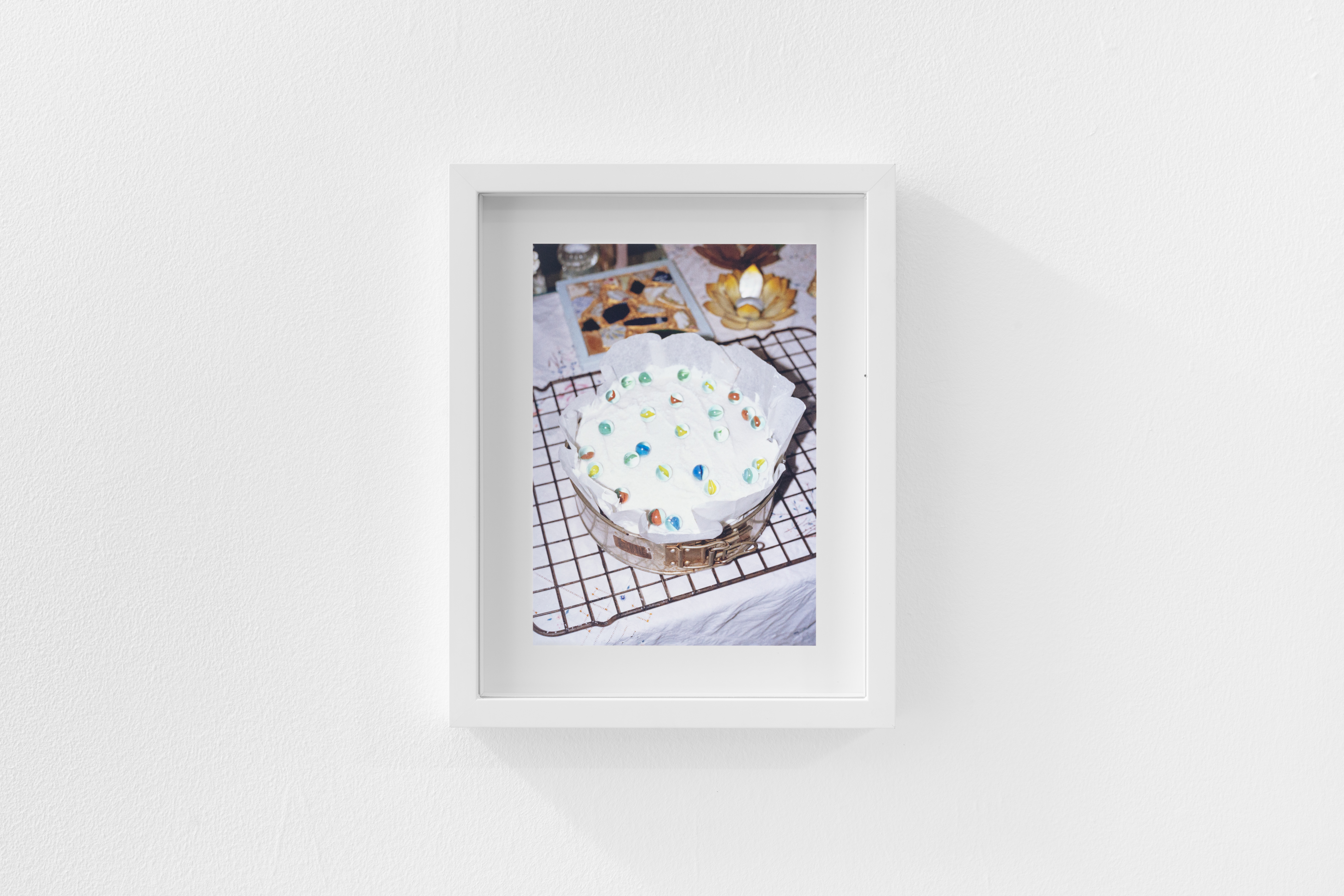
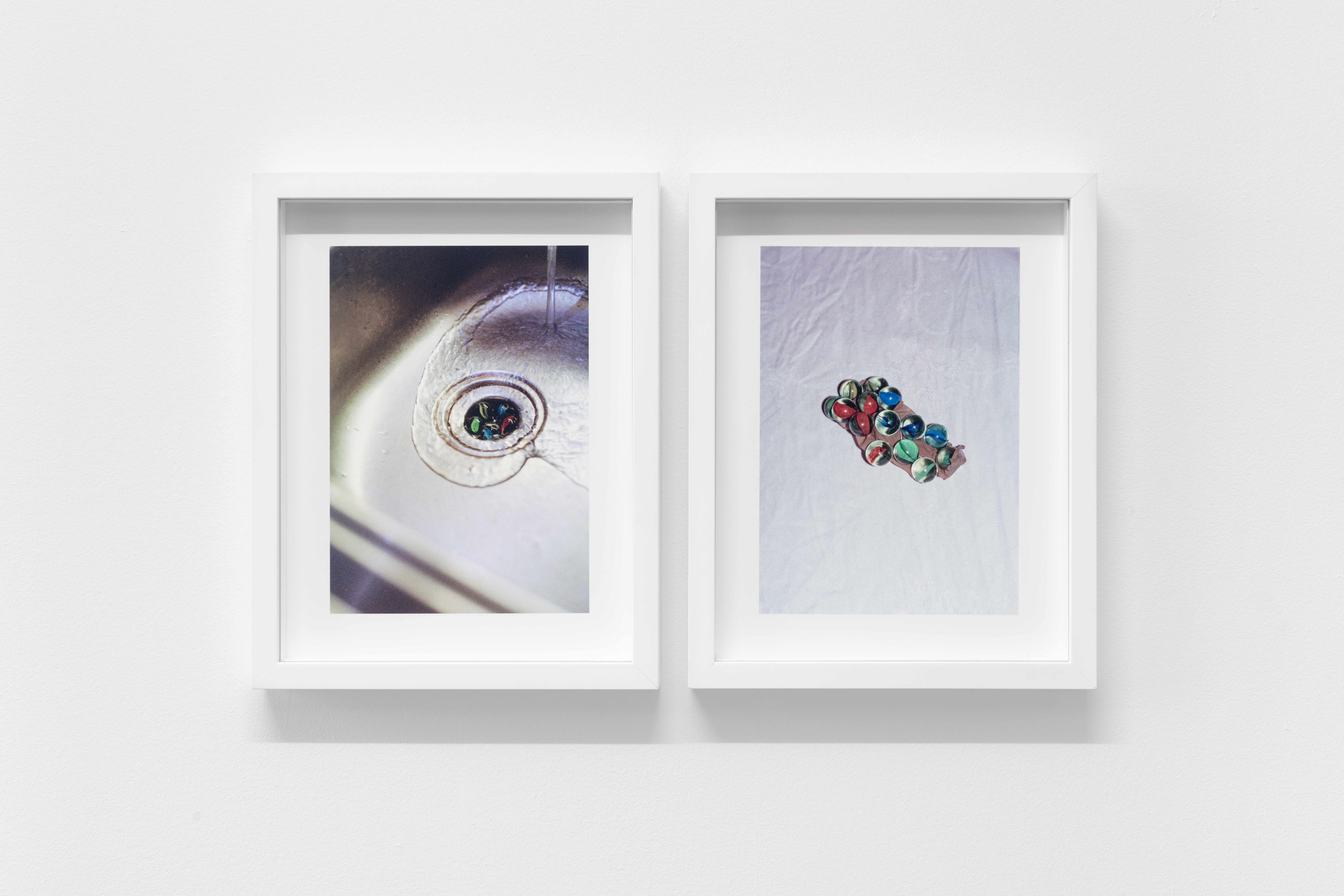
Installation view Marbles at Ostra Practice, Lisbon, by Sofie Amalie Andersen & Thyra Dragseth, 2024. Birthday Cake 21x14,8 cm (2024).
Installation view Marbles at Ostra Practice, Lisbon, by Sofie Amalie Andersen & Thyra Dragseth, 2024.
From left: Sink 21x14,8 cm and Tape 21x14,8 cm (2024).

Installation view Marbles at Ostra Practice, Lisbon, by Sofie Amalie Andersen & Thyra Dragseth, 2024. From left: Marbles II (Kitchen),16:47 min, Full HD, and Marbles (Loop), 50:24 min, stereo.
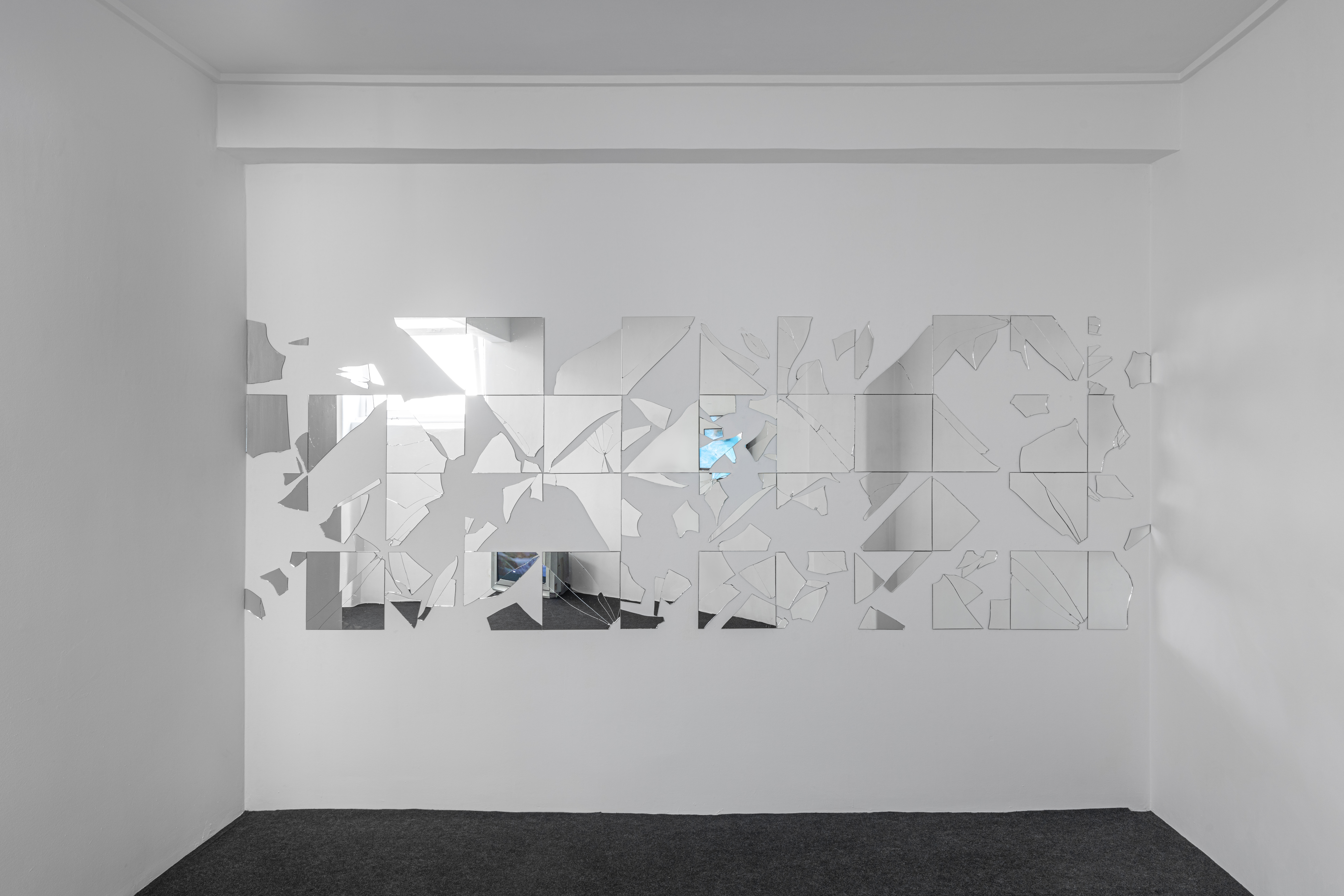 Installation view Mirror (2024) variable dimensions, Marbles at Ostra Practice, Lisbon, by Sofie Amalie Andersen & Thyra Dragseth, 2024.
Installation view World Traveller #1, Glass painting on glass, 50x80x80 cm,
My Mothers Flower Arrangements, Søgne Gamle Prestegård, Kristiansand.
My Mothers Flower Arrangements, Søgne Gamle Prestegård, Kristiansand.
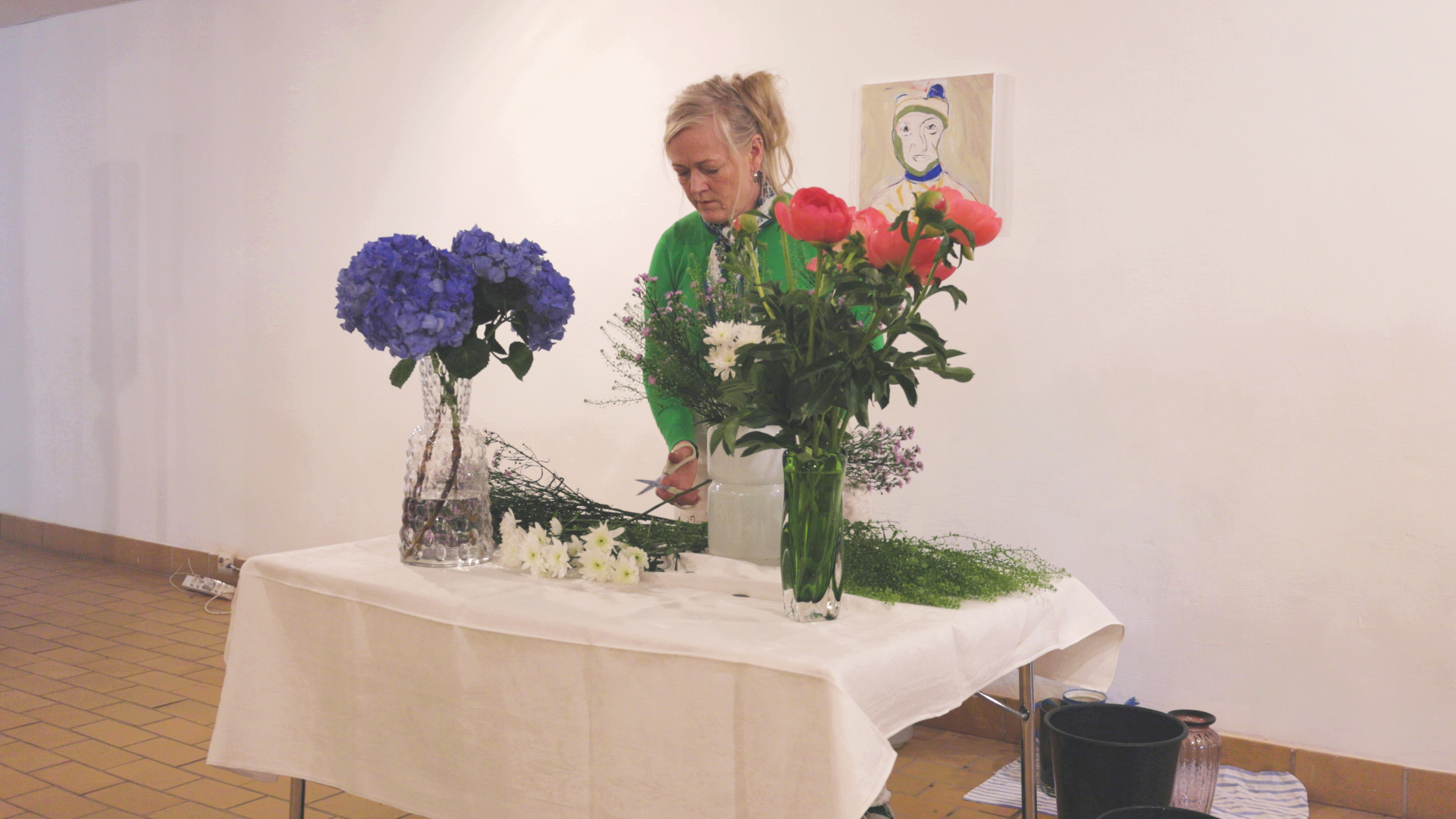
Documentation from the performance Flower Arrangements by Dragseths mother, Lise, from the exhibition My Mothers Flower Arrangements, Søgne Gamle Prestegård, Kristiansand.
![]()
![]()
Installation view from Flower Arrangements by Dragseths mother, Lise. Søgne Gamle Prestegård, Kristiansand.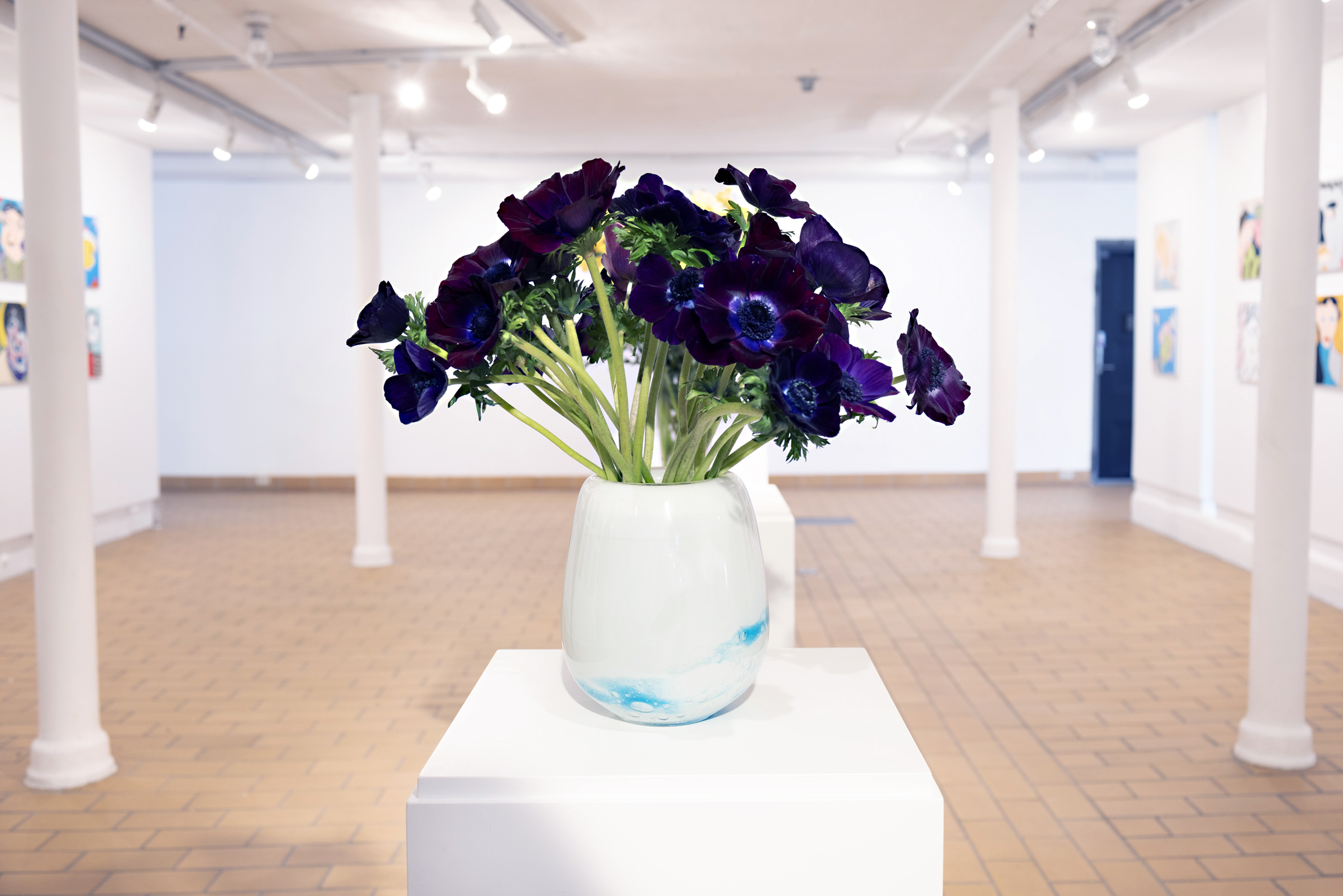

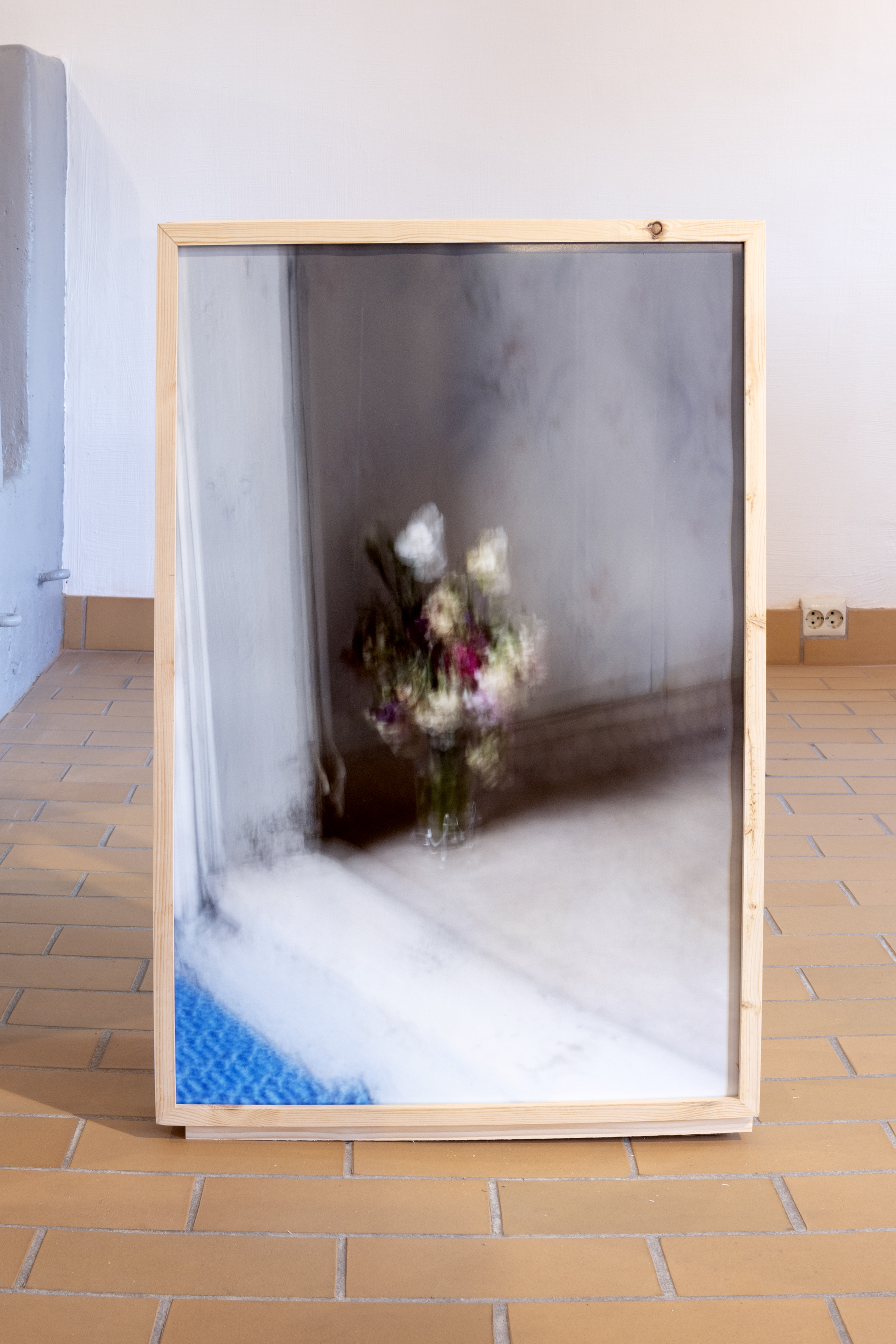
White, Pink and Yellow Carnations 53x80x50 cm (2024).
Installation view from My Mothers Flower Arrangements, Søgne Gamle Prestegård, Kristiansand.
Installation view from My Mothers Flower Arrangements, Søgne Gamle Prestegård, Kristiansand.

Installation view from My Mothers Flower Arrangements, Femidomen Nesodden, 2023. Glass paint, glass, inkjet prints, pine wood boxes and flower bouquets from the performance Flower Arrangements by Dragseths mother, Lise Dragseth.
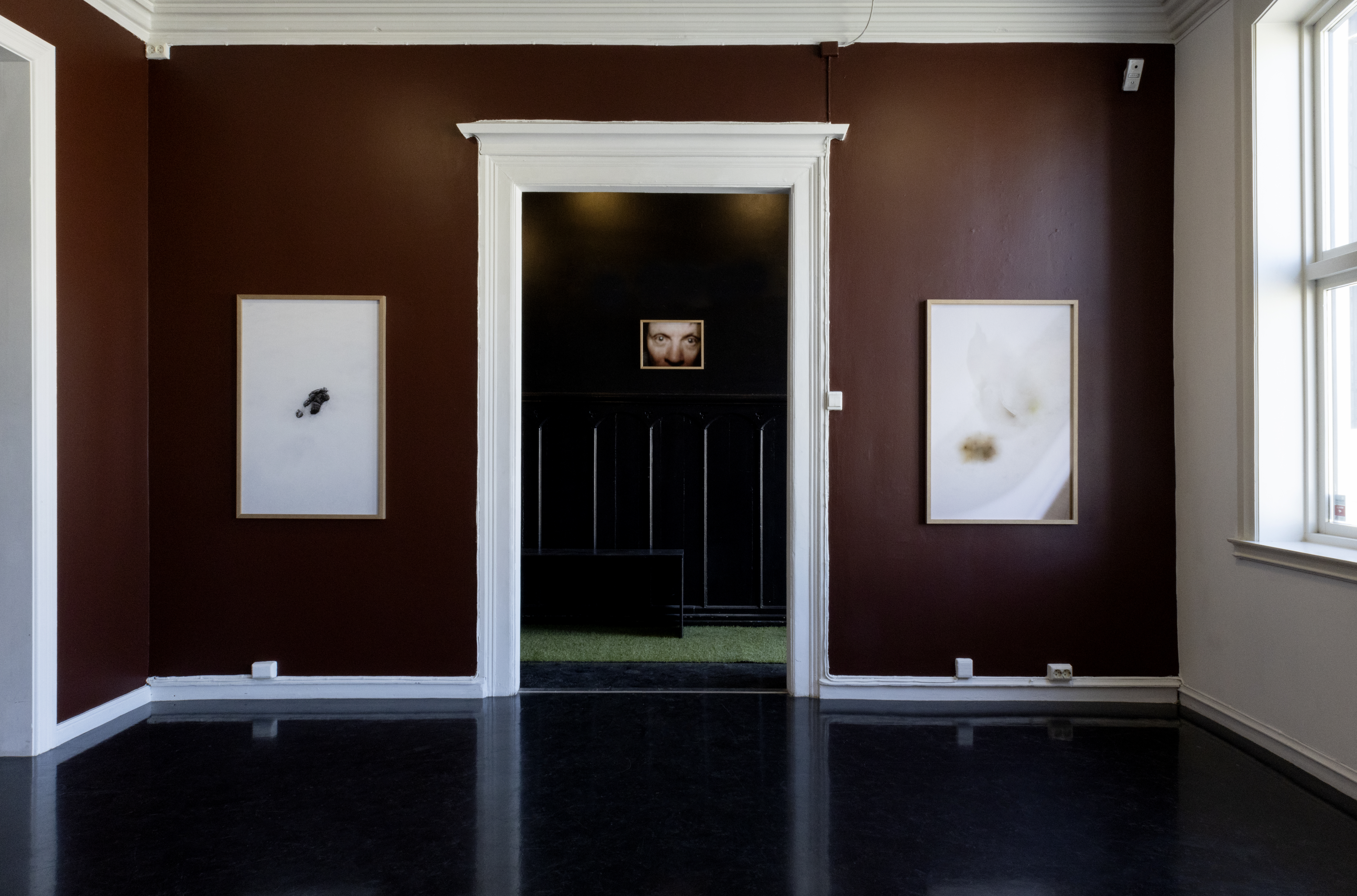

Installation view from Selva Fria, Agder Kunstsenter, 2022.

Installation view from Selva Fria, Agder Kunstsenter, 2022.
From left; OM ETTERMIDDAGEN ER JEG BARMHJERTIG 50x70 cm, NÅ TRENGER JEG INGEN 120x80 cm (2021).
From left; OM ETTERMIDDAGEN ER JEG BARMHJERTIG 50x70 cm, NÅ TRENGER JEG INGEN 120x80 cm (2021).

Installation view from Selva Mente, MELK Gallery, Oslo, 2021. From left; Maria 120x85 cm, Marias 120 x 85 cm (2021).


Installation view from Selva Mente, MELK Gallery, Oslo, 2021.
From left: Nuvem, 30x40 cm, Entre Folhas, 100x66 cm (2021).
Installation view from Selva Mente, MELK Oslo, 2021.
From left; Agua Falsa, 30x40 cm, NÅ TRENGER JEG INGEN, 120x80 cm, Floresta 100x66 cm (2021).


Installation view from Selva Mente, MELK Gallery, Oslo 2021. Clareira, 150x100 cm.

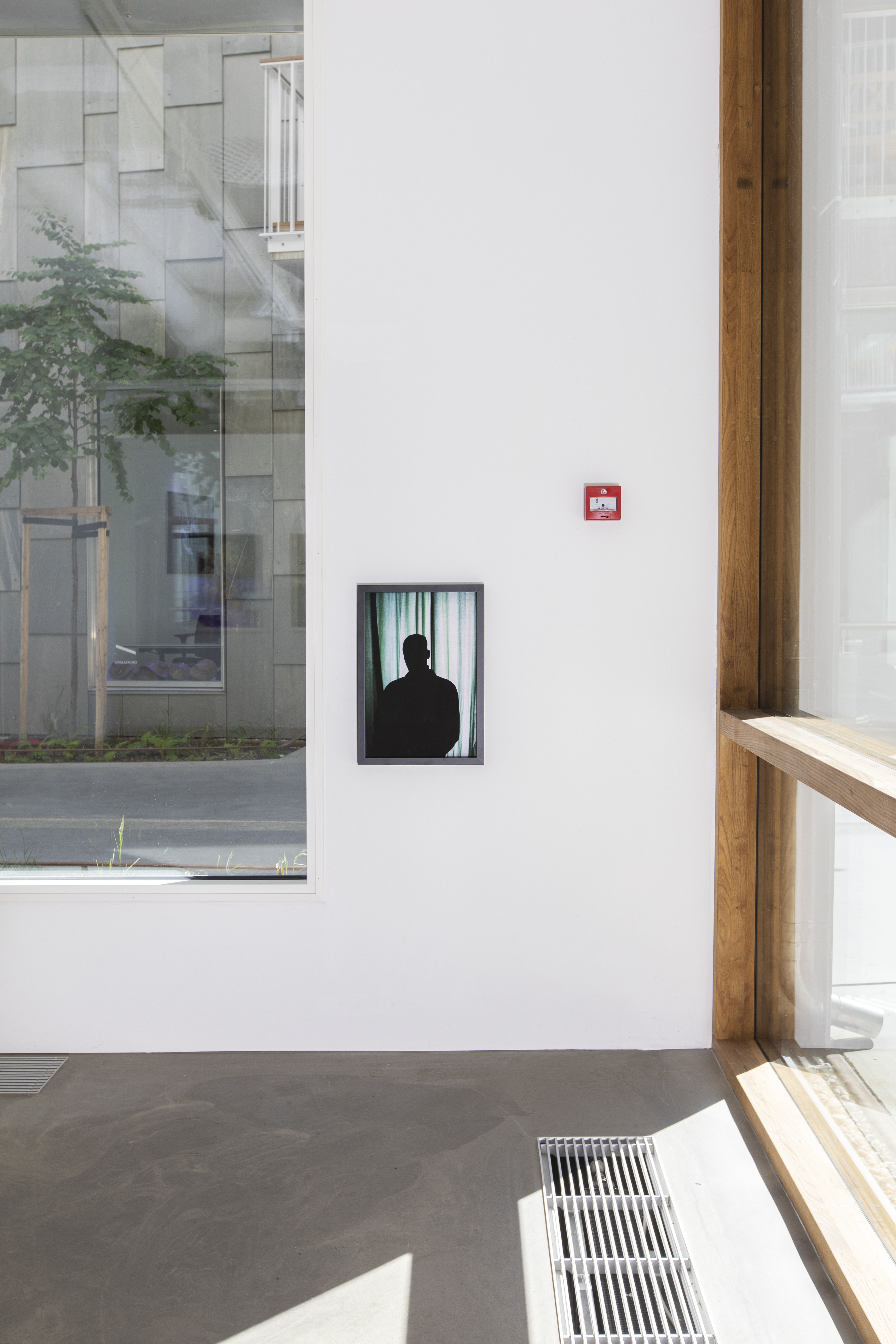
Self, 100x66 cm, archival pigment print, Installation view from Kösk Gallery, Oslo 2021.
Friend, 30x44 cm, archival pigment print, Installation view from Kösk Gallery, Oslo 2021.
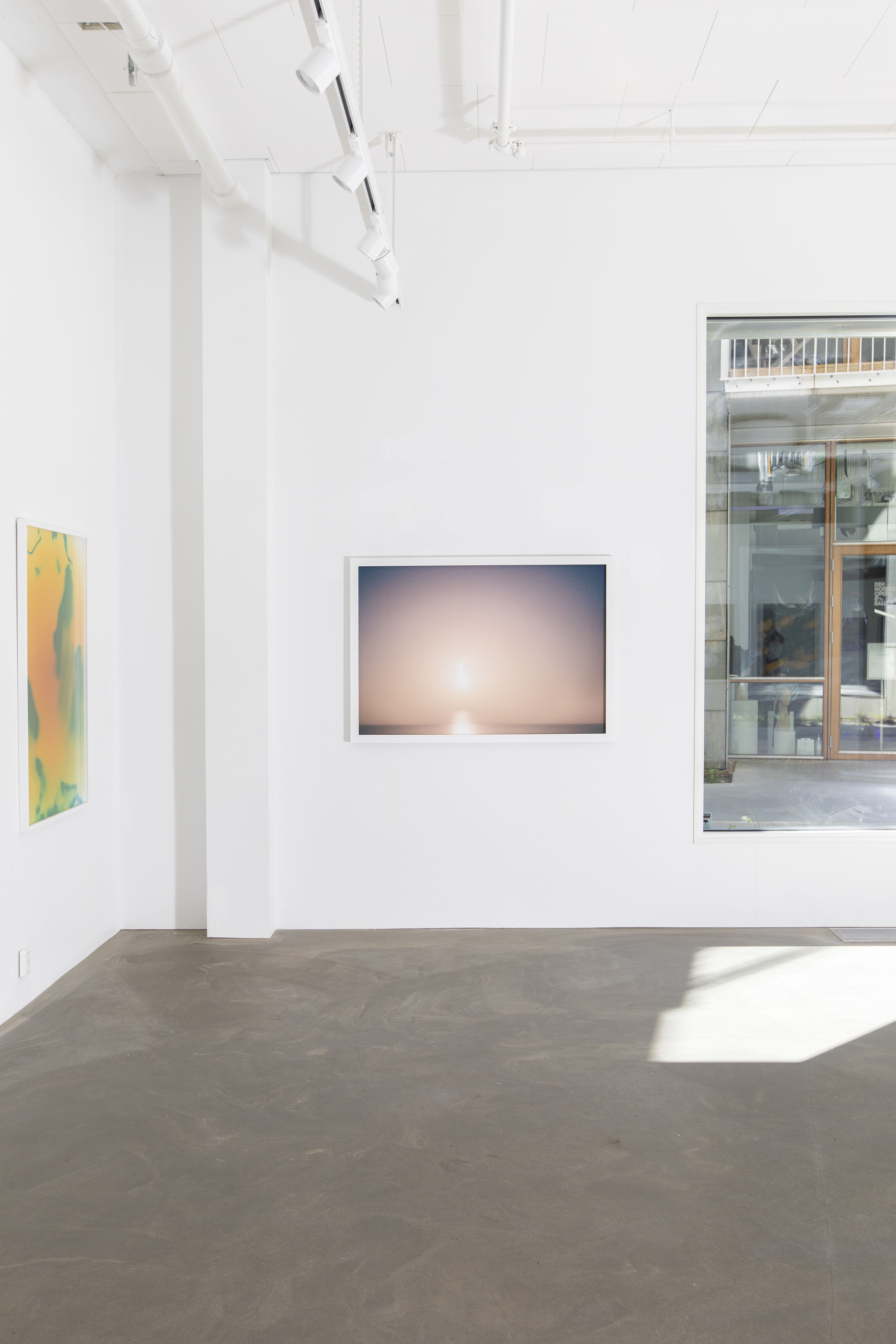
Installation view from Kösk Gallery, Oslo 2021. Moon hiding as Sun, 120x81 cm, (2021).
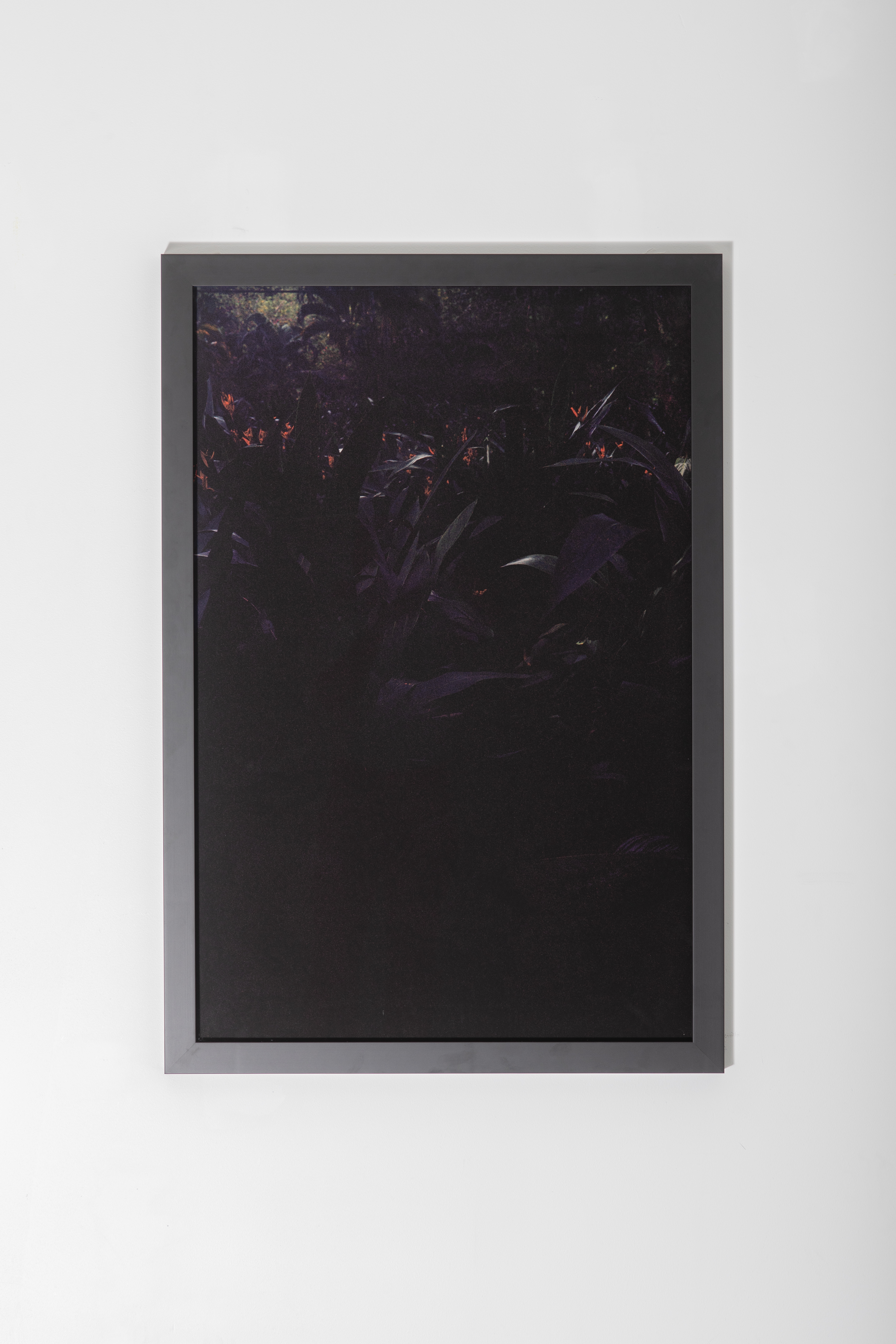
Installation view from Kösk Gallery, Oslo 2021. Birds in Paradise, 91x110 cm (2021).
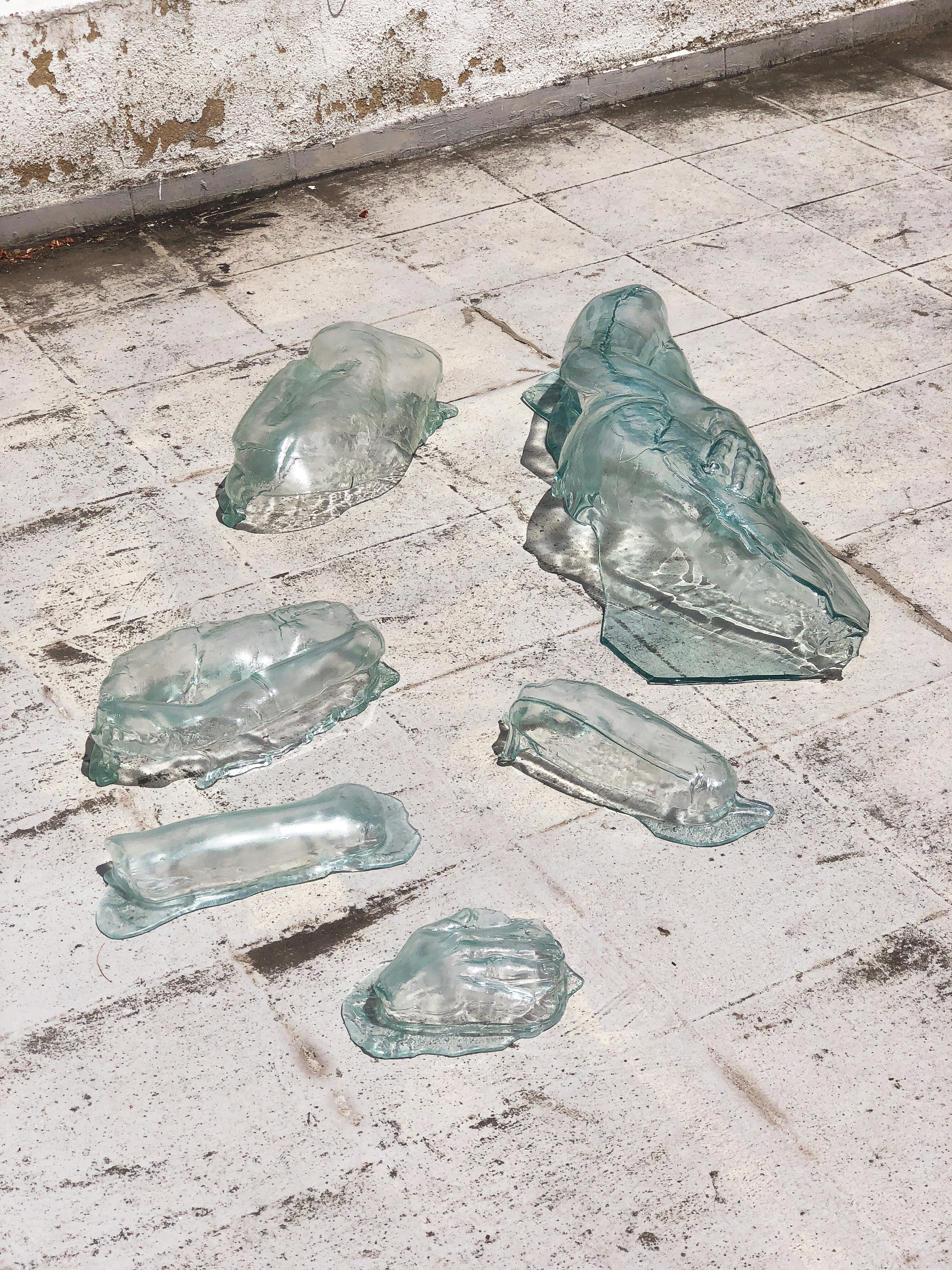
Travellers, glass, various sizes, (2019) with Lea Vajda.
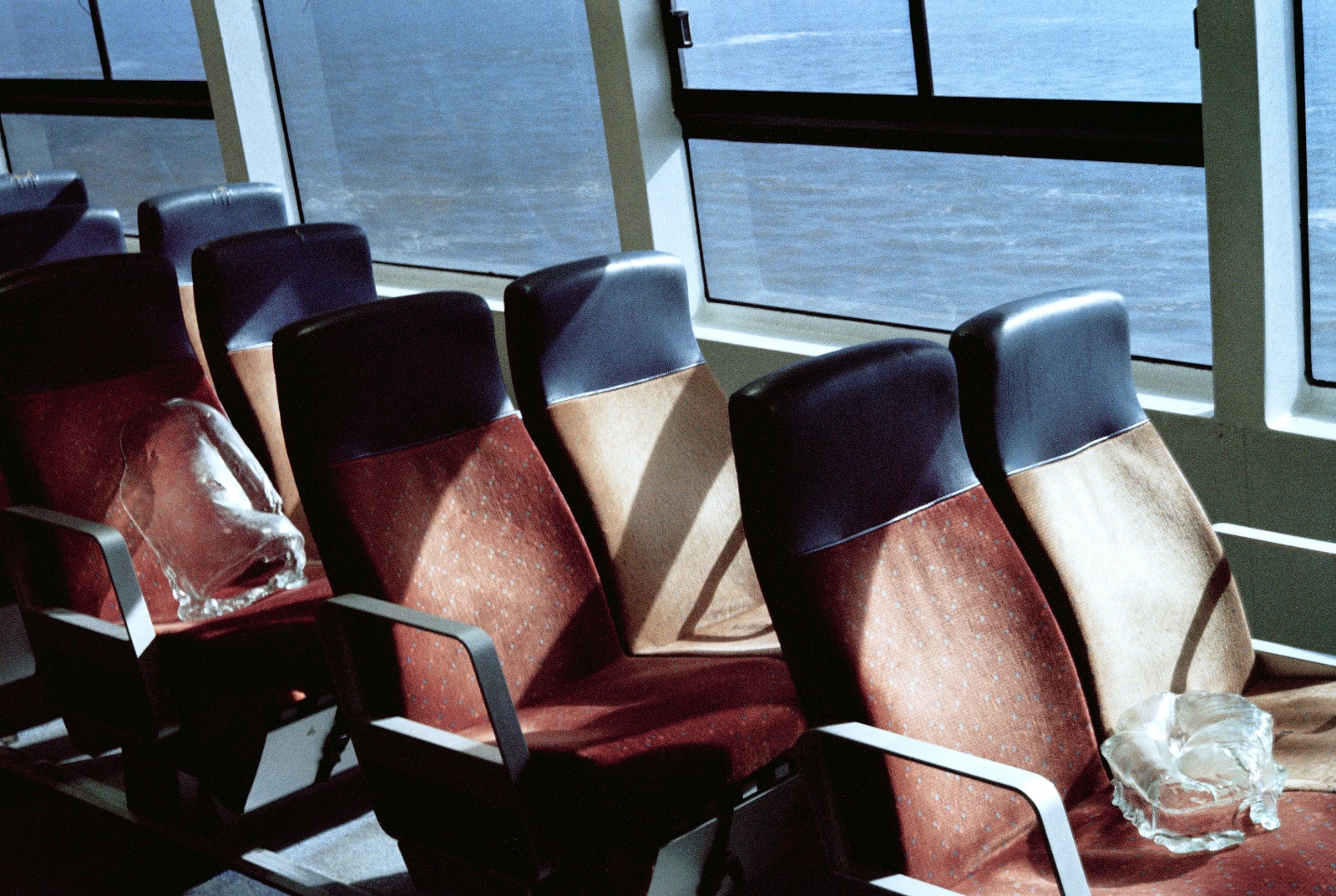
Detail: Untitled (Travellers) , Archival pigment print 150 x 100 cm (2019) with Lea Vajda.
![]()
Interlogue 01, 2018, Pseudonym Publishing.
![]()

Interlogue 01, 2018, Pseudonym Publishing.
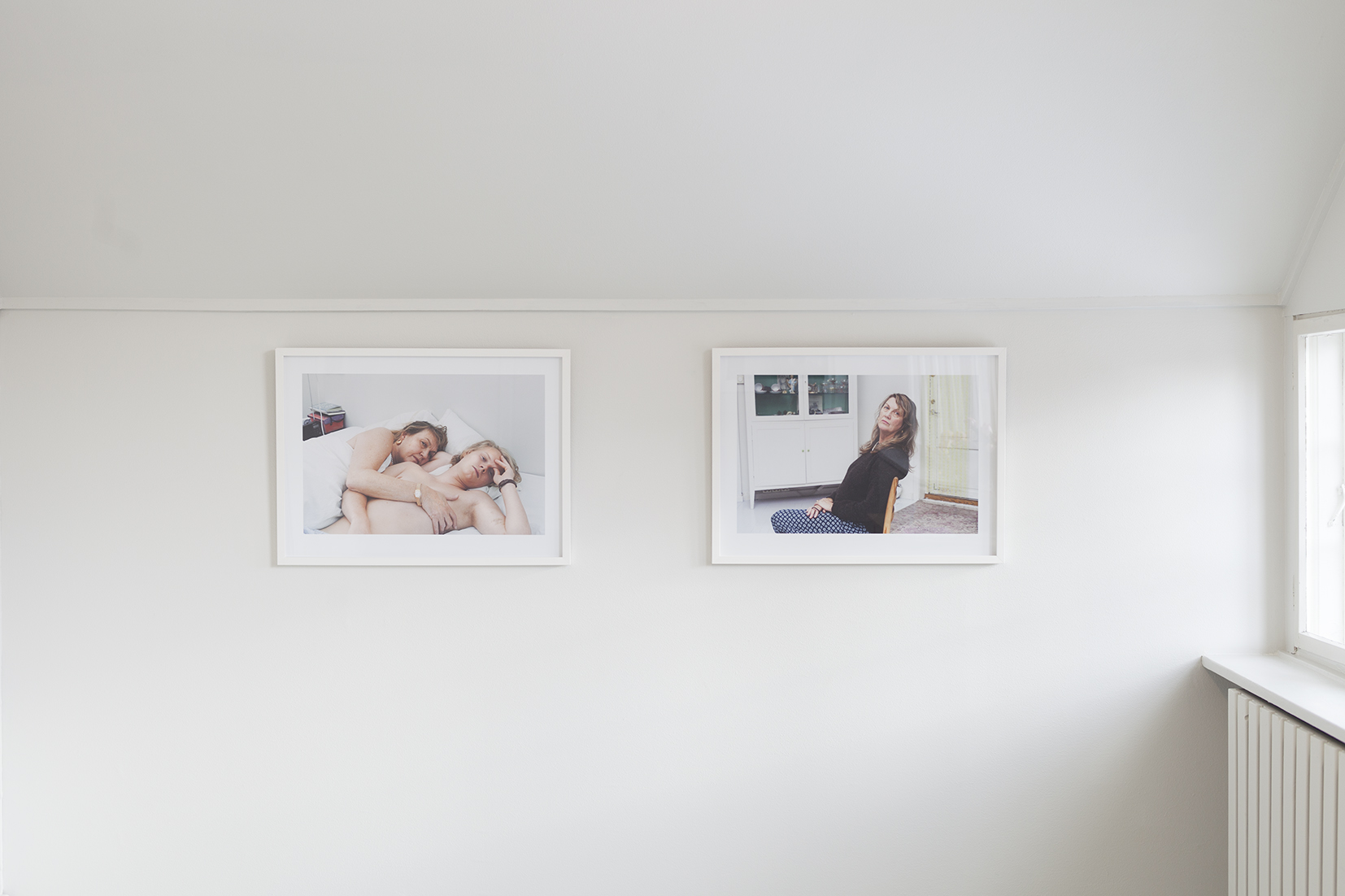
Installation view from DUO exhibition with Ida Oppen, Kulturhagen, Asker, 2016. From Left: The Eyes Have it, 50x70 cm, Celine 50x70 cm.

Detail: The Eyes Have it #2, 50 x 70 cm (2016).
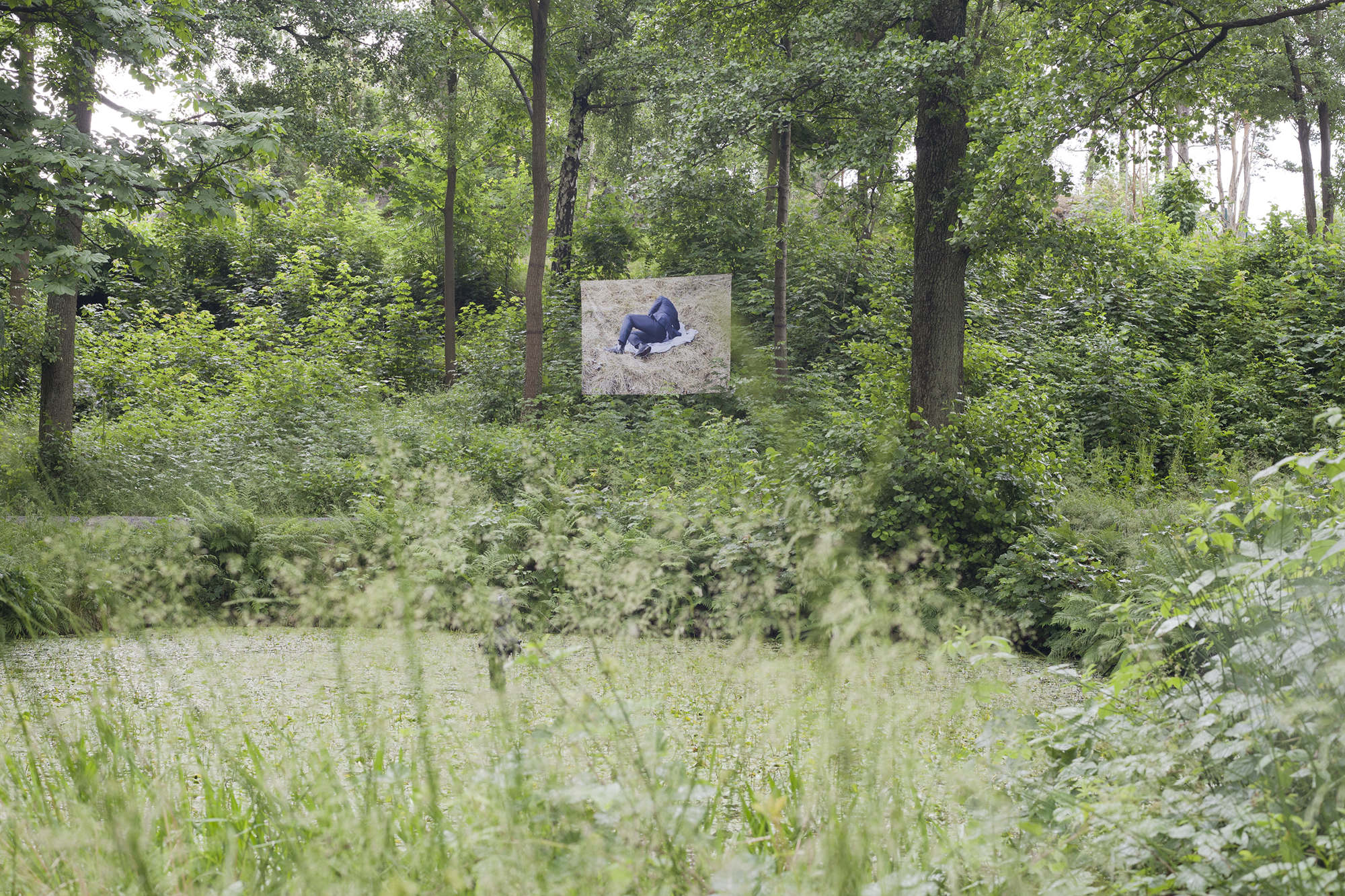
Dressman, 200x300 cm, Samba Print, (2025), Installation view from Qunst25, Kristiansand.
